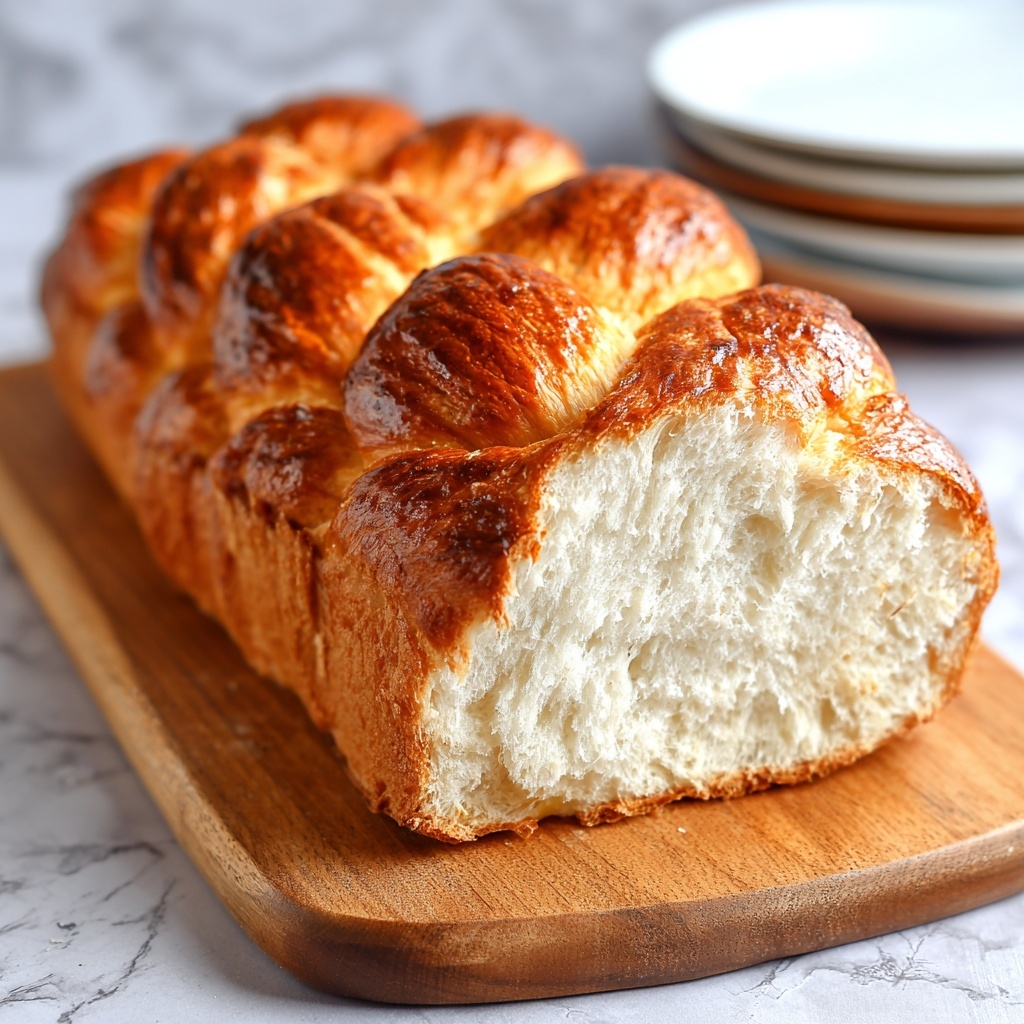
If you have ever dreamed of baking your own irresistible loaf that’s soft on the inside with a lightly golden crust on the outside, this Soft Fluffy French Bread Recipe is exactly what you’ve been waiting for. It’s the perfect blend of simple ingredients and straightforward steps that come together to deliver a fresh-from-the-oven experience that fills your kitchen with the warm, yeasty aroma of homemade bread. Whether you’re making sandwiches, accompanying a hearty soup, or enjoying it with just a slather of butter, this Soft Fluffy French Bread Recipe will quickly become a beloved staple in your kitchen repertoire.
Ingredients You’ll Need
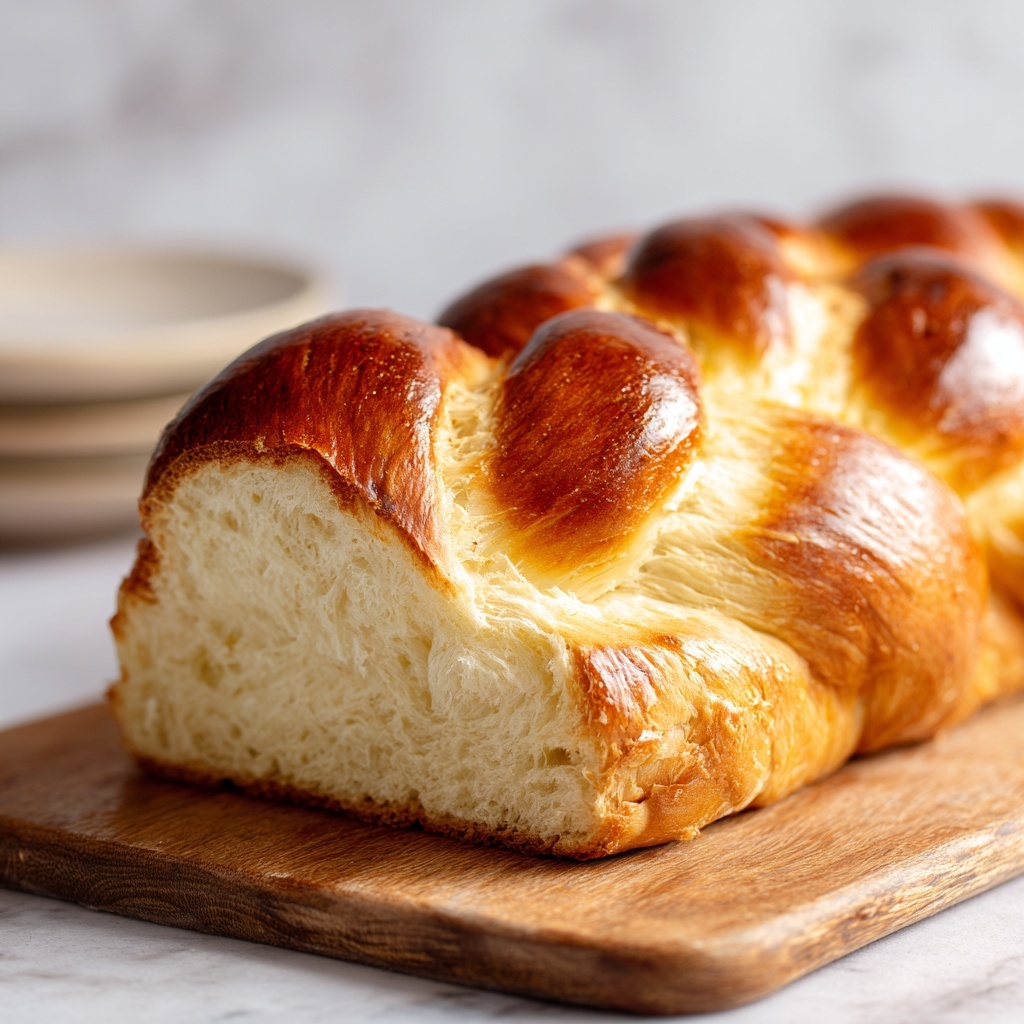
This Soft Fluffy French Bread Recipe shines because of its straightforward and pantry-friendly ingredients. Each component plays an essential role—from the yeast that gives the bread lift to the olive oil that enriches the crumb and the sugar that gently sweetens and feeds the yeast for that perfect rise.
- 2.5–3 cups all-purpose flour: The backbone of the bread, providing structure and softness.
- 1 cup warm water: Activates the yeast and hydrates the flour for a tender dough.
- 1 tablespoon olive oil or vegetable oil: Adds moisture and a subtle richness to the loaf.
- 1 tablespoon white granulated sugar: Feeds the yeast for a good rise and adds a hint of sweetness.
- 1 teaspoon salt: Balances flavors and strengthens the dough.
- 2 teaspoons active dry yeast: The magic ingredient that makes your bread light and airy.
- 1 egg, beaten (for brushing): Creates a shiny, golden crust that’s almost too pretty to slice.
How to Make Soft Fluffy French Bread Recipe
Step 1: Activate the Yeast
Start by combining warm water and sugar in a small bowl. Sprinkle the yeast over the surface and let it sit for about 5 minutes. You’ll know it’s ready when the mixture becomes frothy and bubbly. This step ensures your yeast is alive and kicking, which is crucial for that dreamy soft texture.
Step 2: Mix the Dry Ingredients
In a large mixing bowl, whisk together your all-purpose flour and salt. Combining these dry ingredients evenly will create a consistent dough that’s easy to work with and delivers that perfect chewy bite.
Step 3: Combine Wet and Dry Ingredients
Pour the activated yeast mixture and oil into the bowl of dry ingredients. Stir everything gently until you start to get a soft dough. Use a little extra flour if the dough feels too sticky—this will help provide that tender but workable texture.
Step 4: Knead the Dough
Turn your dough out onto a lightly floured surface and knead it for 8 to 10 minutes. This rhythmic process is key to develop the gluten structure, giving your bread that soft yet elastic crumb you love. You’ll feel the dough change under your hands, becoming smooth and supple.
Step 5: First Rise
Place your dough in a greased bowl and cover it with a clean towel or plastic wrap. Set it somewhere warm and cozy to let it double in size—this usually takes about 1 hour. Watching your dough rise is one of the most satisfying parts; it means your bread is on its way to perfection!
Step 6: Shape and Second Rise
Punch down the risen dough to gently release the air, then shape it into a classic loaf. Transfer your loaf to a parchment-lined baking sheet and cover again. Let it rise for another 30 minutes while you preheat the oven. This second rise adds more lightness to the crumb so you get that signature softness.
Step 7: Preheat Oven and Prepare Egg Wash
Set your oven to 375°F (190°C). Before baking, brush your loaf with the beaten egg. This small step gives you a gorgeous golden crust that shines and adds just the right amount of crunch when baked.
Step 8: Bake
Bake the bread for 20 to 25 minutes until it’s golden brown and sounds hollow when you gently tap the bottom. This sound test is a classic way to know your bread is baked through and ready to delight your taste buds.
Step 9: Cool
Remove the bread from the oven and transfer it to a wire rack to cool. Allow it to rest before slicing so the crumb finishes setting and your slices stay soft and fluffy without getting gummy.
How to Serve Soft Fluffy French Bread Recipe
Garnishes
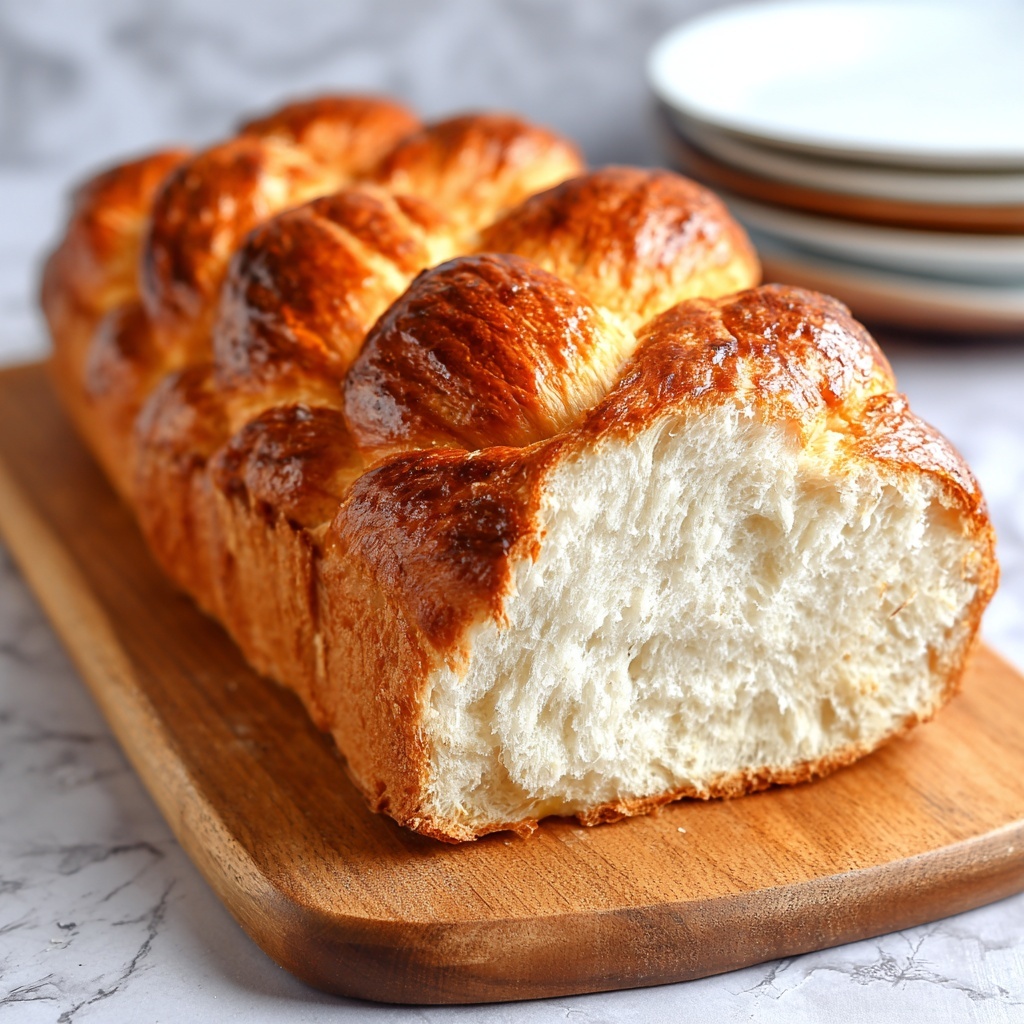
A little herb butter or a sprinkle of coarse sea salt on warm slices can elevate this Soft Fluffy French Bread Recipe to something truly special. Freshly chopped rosemary or garlic butter are also fantastic options that complement the bread’s delicate flavor without overpowering it.
Side Dishes
This bread pairs wonderfully with a variety of dishes. Think warming tomato soup, freshrathed salad, or a decadent cheese board. Its light crumb makes it a versatile companion that can soak up sauces or stand alone with just a bit of butter.
Creative Ways to Present
For a fun twist, slice the bread and use it for mini French bread pizzas or sandwich sliders. You can also turn it into homemade croutons by cubing and toasting it with your favorite seasoning—an excellent way to add crunch and flavor to salads and soups.
Make Ahead and Storage
Storing Leftovers
Wrap any leftover bread tightly in plastic wrap or store it in an airtight container to keep it soft. It’s best eaten within two to three days to enjoy that freshly baked softness, but with care, it can last a bit longer without drying out.
Freezing
You can freeze your Soft Fluffy French Bread Recipe by wrapping it well in plastic and then foil to protect it from freezer burn. Defrost overnight at room temperature for the best texture and freshness, ready to be enjoyed anytime.
Reheating
To refresh your bread, sprinkle it lightly with water and warm it in a preheated oven at 350°F (175°C) for about 5 to 10 minutes. This brings back that fresh-baked aroma and restores its soft, fluffy texture, almost like it just came out of the oven.
FAQs
Can I use bread flour instead of all-purpose flour?
Yes, you can substitute bread flour for all-purpose flour. Bread flour has a higher protein content, which can make the bread slightly chewier and give it more structure, but the overall softness in this Soft Fluffy French Bread Recipe will remain excellent.
What if my dough doesn’t rise well?
If your dough doesn’t rise as expected, it might be due to the yeast being old or the water temperature being too hot or cold. Make sure your yeast is fresh and your water is warm, around 100°F to 110°F, to properly activate the yeast for the best results.
Can I substitute oil with butter?
Absolutely! Using melted butter instead of oil will give the bread a richer flavor and a slightly softer crust. Just keep the quantity the same, and your bread will turn out just as delicious.
How do I achieve a crustier bread?
For a crustier loaf, you can bake the bread with a shallow pan of water in the oven to create steam. Also, brushing with egg wash is key for a shiny crust, but skipping it or brushing with water instead can help develop a crunchier exterior.
Is it necessary to punch down the dough after the first rise?
Yes, punching down the dough gently redistributes the yeast and releases excess gas, which helps create a finer crumb and prevents large irregular holes in your bread, contributing to that soft fluffiness you are aiming for in this recipe.
Final Thoughts
There is something so satisfying about baking your own Soft Fluffy French Bread Recipe that you can share with loved ones. It brings a cozy, homemade touch to any meal and fills your home with irresistible aromas. Don’t hesitate to try it—you’ll be amazed by how straightforward the process is and how rewarding the results can be. Happy baking!
Print
Soft Fluffy French Bread Recipe
- Prep Time: 20 minutes
- Cook Time: 25 minutes
- Total Time: 1 hour 40 minutes
- Yield: 1 loaf (serves approximately 8 slices)
- Category: Bread
- Method: Baking
- Cuisine: French
Description
This Soft Fluffy French Bread recipe yields a classic, tender loaf with a golden crust, perfect for sandwiches or as a side for any meal. The bread is made using simple ingredients, activated yeast, and a two-step rising process, producing an airy interior and a deliciously soft texture.
Ingredients
Dry Ingredients
- 2.5–3 cups all-purpose flour
- 1 teaspoon salt
- 2 teaspoons active dry yeast
Wet Ingredients
- 1 cup warm water
- 1 tablespoon olive oil or vegetable oil
- 1 tablespoon white granulated sugar
- 1 egg, beaten (for brushing)
Instructions
- Activate Yeast: In a small bowl, combine 1 cup warm water and 1 tablespoon sugar. Sprinkle 2 teaspoons active dry yeast over the top and let it sit undisturbed for 5 minutes until it becomes frothy, indicating the yeast is active.
- Mix Dry Ingredients: In a large mixing bowl, whisk together 2.5 to 3 cups all-purpose flour and 1 teaspoon salt to evenly distribute the salt within the flour.
- Combine Wet and Dry Ingredients: Pour the activated yeast mixture and 1 tablespoon olive oil or vegetable oil into the dry ingredients. Stir with a spoon until a soft dough forms, adding more flour if the dough is too sticky to handle.
- Knead Dough: Transfer the dough onto a lightly floured surface and knead it for about 8 to 10 minutes until the dough is smooth, elastic, and slightly tacky but not sticky.
- First Rise: Place the kneaded dough into a greased bowl, cover it with a clean cloth or plastic wrap, and let it rise in a warm environment for approximately 1 hour or until the dough has doubled in size.
- Shape & Second Rise: Punch down the risen dough to release air, then shape it into a loaf. Place the loaf on a baking sheet lined with parchment paper, cover again, and allow it to rise for another 30 minutes until puffy.
- Preheat Oven & Prepare Egg Wash: Preheat your oven to 375°F (190°C). Brush the top of the loaf gently with the beaten egg to achieve a shiny, golden crust during baking.
- Bake: Bake the loaf in the preheated oven for 20 to 25 minutes, or until the crust turns a beautiful golden brown and the bread sounds hollow when tapped on the bottom.
- Cool: Remove the bread from the oven and transfer it to a wire rack to cool completely before slicing to ensure the texture sets properly.
Notes
- Use warm water that is around 105-110°F to activate yeast properly without killing it.
- Adjust flour quantity slightly depending on humidity and flour brand to get the right dough consistency; the dough should be soft but not too sticky.
- Letting the dough rise in a warm, draft-free area will yield better results.
- Brush with egg wash just before baking for a glossy, golden crust; you can substitute with milk or omit for a matte crust.
- Allow bread to cool completely to finish cooking internally and avoid gummy texture.
- Store bread in an airtight container to keep it soft for days or freeze for longer storage.