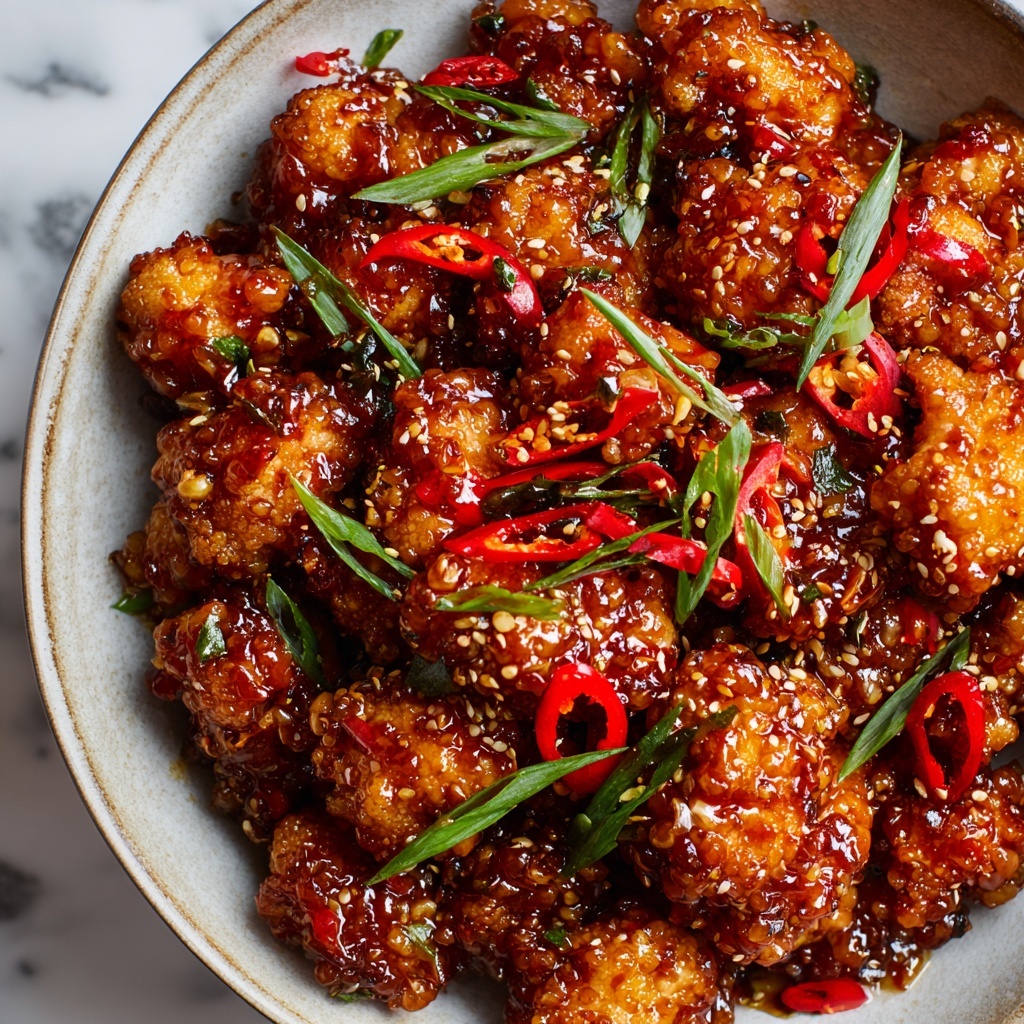
If you love bold flavors and crave a plant-based twist on a classic Chinese takeout favorite, this Kung Pao Cauliflower Recipe is going to win your heart (and taste buds) in no time. It’s a vibrant, crispy, saucy dish that perfectly balances spicy, tangy, and sweet notes, while the cauliflower shines with a fantastic texture thanks to its oven-crisped florets. Whether you’re a longtime Kung Pao fan or new to experimenting with cauliflower, this recipe brings a fresh and exciting way to enjoy one of the most beloved dishes in Asian-inspired cooking.
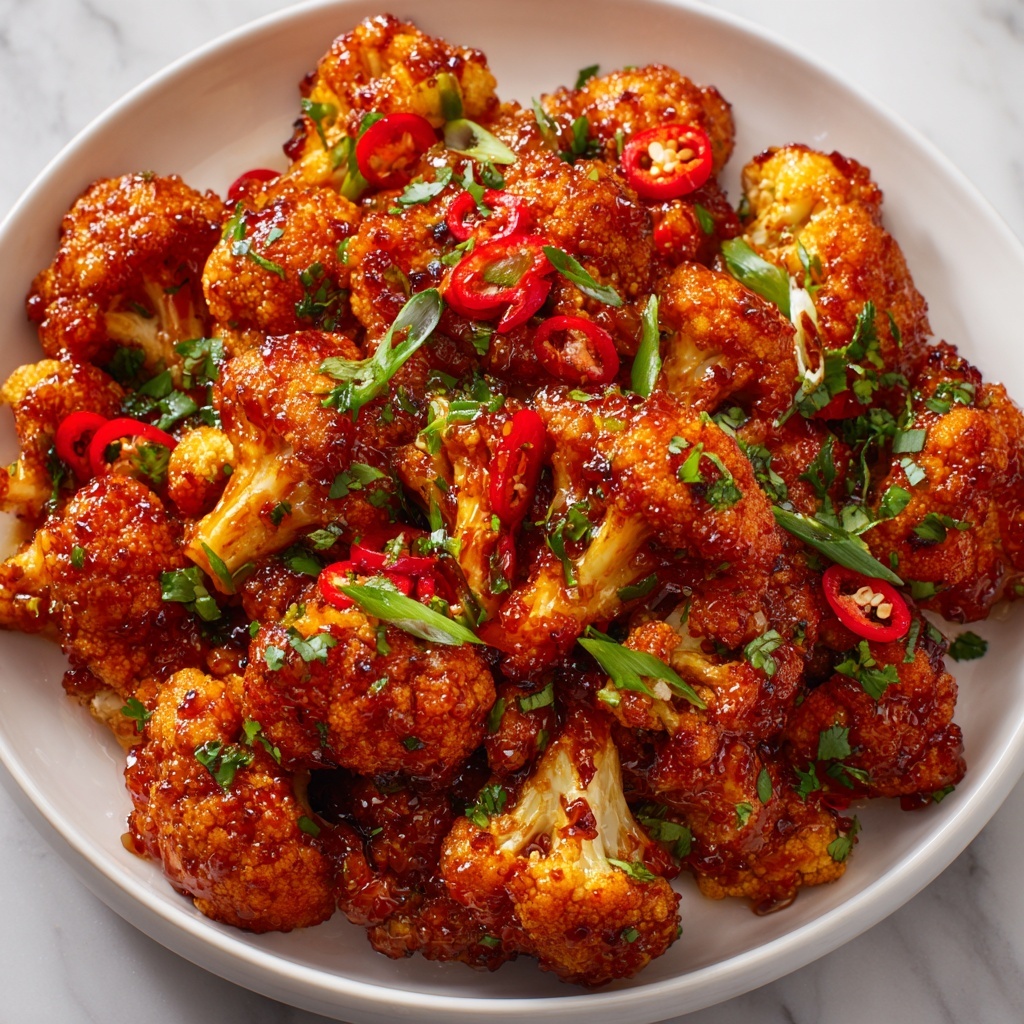
Ingredients You’ll Need
What makes this Kung Pao Cauliflower Recipe so delicious is how simple but thoughtfully chosen the ingredients are. Each one adds something special, whether it’s the crunch of toasted peanuts, the warming heat of ginger, or the tangy brightness from rice vinegar. Together, they create a dish that’s colorful, satisfying, and full of texture.
- Cauliflower florets: The star of the dish, providing a meaty, crispy base when baked properly.
- Olive oil or vegetable oil: Essential for roasting the cauliflower to golden perfection.
- Salt and black pepper: Simple seasoning to enhance the natural flavor of cauliflower.
- Cornstarch: Used to coat the cauliflower for that irresistible crispy crust.
- Soy sauce or tamari: Classic salty, umami depth; tamari is a gluten-free alternative.
- Rice vinegar: Adds a subtle tanginess that brightens up the sauce and balances sweetness.
- Maple syrup or agave nectar: For a touch of natural sweetness that plays off the spicy heat.
- Hoisin sauce: Brings in a rich, slightly smoky and sweet element.
- Sesame oil: A little drizzle for that nutty aroma and flavor boost in the sauce.
- Sriracha: Gives the signature spicy kick; feel free to adjust the heat to your liking.
- Vegetable oil: Used for stir-frying the aromatics and vegetables with ease.
- Unsalted dry roasted peanuts: Crunchy surprise that adds texture and nutty flavor.
- Garlic: Minced fresh for that punchy, fragrant base in the stir-fry.
- Fresh ginger: Grated to provide a warm, slightly spicy freshness.
- Dried red chilies (optional): For those who want an extra layer of heat and visual interest.
- Bell pepper: Adds bright color and a sweet crunch.
- Onion: Provides a bit of sweetness and depth when sautéed.
- Green onions: Fresh garnish that finishes the dish with multiple layers of green, mild onion flavor.
How to Make Kung Pao Cauliflower Recipe
Step 1: Prepare and Roast the Cauliflower
Start by preheating your oven to 400°F (200°C) and lining a baking sheet with parchment paper. Toss the cauliflower florets with olive oil, salt, black pepper, and cornstarch. This coating is the secret to achieving that golden, crispy texture. Spread the florets evenly on the baking sheet and roast them for 25-30 minutes, flipping halfway, until they have a satisfying crunch and a lovely golden color that grabs your attention.
Step 2: Whisk Together the Sauce
While your cauliflower roasts, it’s the perfect time to make the flavor-packed sauce. Combine soy sauce, rice vinegar, maple syrup, hoisin sauce, sesame oil, sriracha, and a bit of cornstarch in a small bowl. Whisk it all together until silky smooth. This sauce will bring the characteristic sweet, spicy, and tangy notes that define the Kung Pao Cauliflower Recipe.
Step 3: Toast the Peanuts and Sauté Aromatics
Heat vegetable oil in a large skillet or wok over medium-high heat, then add the peanuts. Stir them around for 1-2 minutes until they’re lightly toasted and fragrant – they should almost pop in the pan. Remove the peanuts and set them aside. Next, toss in minced garlic, grated ginger, and if you’re feeling bold, the dried red chilies. Stir-fry these aromatics for about a minute until they release their amazing fragrance that instantly brightens the kitchen.
Step 4: Stir-Fry the Vegetables
In the same skillet, add the sliced bell pepper and onion. Stir-fry for around 3-4 minutes until the vegetables are tender but still crisp, preserving their bright colors and crunch. This step builds layers of texture and flavor, creating a beautiful contrast against the crispy cauliflower.
Step 5: Combine Cauliflower and Sauce
Once the cauliflower is done roasting, add it straight into the skillet with your stir-fried veggies. Pour your prepared sauce all over and toss everything thoroughly, making sure each piece of cauliflower is luxuriously coated. Cook it together for 2-3 more minutes so the sauce thickens and the flavors meld into one irresistible bite.
Step 6: Finish and Garnish
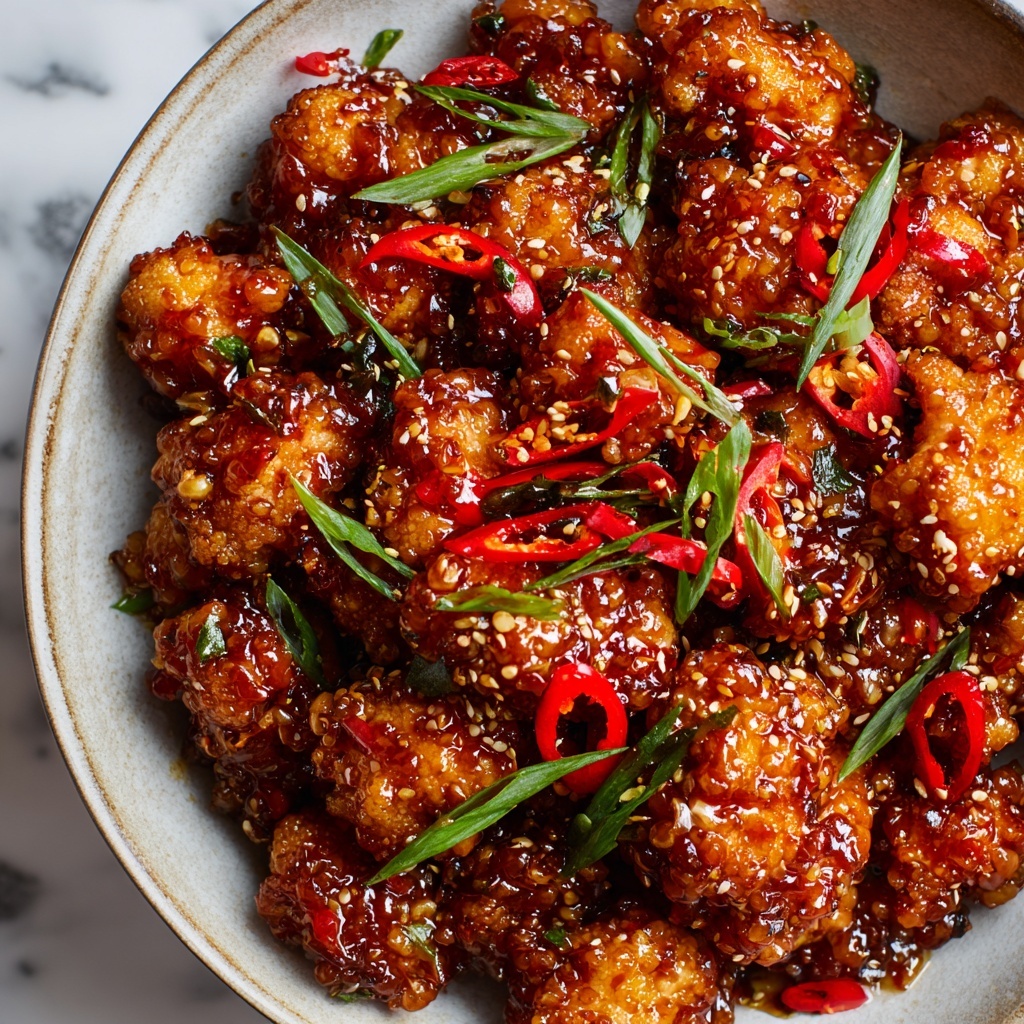
Turn off the heat and sprinkle the toasted peanuts and sliced green onions generously on top. This last touch adds crunch and freshness, completing the vibrant Kung Pao Cauliflower Recipe you’re about to enjoy.
How to Serve Kung Pao Cauliflower Recipe
Garnishes
To elevate your dish, fresh green onions sprinkled at the end are a must. They add color and a mild, crisp onion bite that complements the rich sauce beautifully. You can also add extra peanuts for that addictive crunch or even a few sesame seeds for a nutty finish.
Side Dishes
This Kung Pao Cauliflower pairs wonderfully with steamed jasmine or basmati rice to soak up every bit of sauce. If you want a low-carb option, cauliflower rice or simple stir-fried noodles are fantastic alternatives. A light side of steamed greens like bok choy or broccoli rounds out the meal and adds a fresh, healthy crunch.
Creative Ways to Present
For a fun twist, serve this dish in lettuce cups for a refreshing handheld bite. You can also turn it into a vibrant bowl meal with a bed of grains, extra veggies, and a drizzle of additional sauce. If you enjoy a bit of spice, offer sriracha on the side so everyone can adjust their heat level exactly how they want it.
Make Ahead and Storage
Storing Leftovers
Once cooked, allow your Kung Pao Cauliflower to cool completely before transferring to an airtight container. Stored in the fridge, it will stay fresh for up to 3 days, making it great for quick lunches or dinners during the week.
Freezing
While you can freeze leftovers, keep in mind that the texture may soften slightly upon thawing due to the water content in cauliflower. If freezing, spread the cooked cauliflower in a single layer on a baking sheet first, freeze until solid, then transfer to a freezer-safe container or bag for up to 2 months.
Reheating
To reheat, it’s best to warm the dish gently in a skillet on medium heat to help maintain some crunch and revive the sauce’s vibrant flavor. Avoid microwaving if possible, as it tends to make the cauliflower soggy. Add a splash of water or soy sauce if the sauce seems too thick after reheating.
FAQs
Can I make this Kung Pao Cauliflower Recipe vegan?
Absolutely! This recipe is naturally vegan, especially when you use plant-based sweeteners like maple syrup or agave nectar and ensure your soy sauce is vegan-friendly.
How spicy is this dish?
The heat level is adjustable. The recipe uses sriracha and optional dried red chilies for spice, but you can use less or omit them entirely for a milder version.
Can I bake the cauliflower instead of frying it?
Yes, roasting the cauliflower is preferred in this recipe for a healthier, less oily, and equally crispy result. It creates the perfect texture that holds up well in the sauce.
What can I substitute for peanuts if I have allergies?
You can use roasted cashews or sunflower seeds as an alternative. They offer a similar crunch and nutty flavor without the common peanut allergen.
Is this recipe gluten-free?
It can easily be made gluten-free by swapping regular soy sauce with tamari or a gluten-free soy sauce alternative.
Final Thoughts
This Kung Pao Cauliflower Recipe is a fantastic dish to add to your meal rotation when you want something exciting, flavorful, and just a bit different from the everyday. It’s approachable to make, irresistible to eat, and a wonderful way to enjoy vegetables in a new light. Give it a try and watch it become one of your favorite go-to recipes that you’ll want to share with everyone you love.
Print
Kung Pao Cauliflower Recipe
- Prep Time: 15 minutes
- Cook Time: 35 minutes
- Total Time: 50 minutes
- Yield: 4 servings
- Category: Main Course
- Method: Baking
- Cuisine: Chinese
- Diet: Vegetarian
Description
This Kung Pao Cauliflower recipe offers a spicy, tangy, and nutty twist on a classic Chinese dish, using crispy oven-baked cauliflower florets coated in a flavorful sauce with stir-fried vegetables and toasted peanuts. Perfect for a vegetarian meal packed with vibrant textures and bold flavors.
Ingredients
Cauliflower and Coating
- 1 medium cauliflower, cut into florets
- 2 tablespoons olive oil or vegetable oil
- 1/2 teaspoon salt
- 1/2 teaspoon black pepper
- 1/4 cup cornstarch (for coating)
Sauce
- 3 tablespoons soy sauce or tamari (for gluten-free)
- 2 tablespoons rice vinegar
- 1 tablespoon maple syrup or agave nectar
- 1 tablespoon hoisin sauce
- 1 tablespoon sesame oil
- 1 teaspoon sriracha (or more, to taste)
- 1 teaspoon cornstarch (to thicken)
Stir-Fry Ingredients
- 1 tablespoon vegetable oil
- 1/4 cup unsalted dry roasted peanuts
- 2 cloves garlic, minced
- 1/2-inch piece fresh ginger, grated
- 2–3 dried red chilies (optional, for extra heat)
- 1/2 bell pepper, sliced
- 1/2 onion, sliced
- 2 green onions, sliced (for garnish)
Instructions
- Prepare the cauliflower: Preheat your oven to 400°F (200°C) and line a baking sheet with parchment paper to prevent sticking.
- Coat the cauliflower: In a large bowl, toss the cauliflower florets with olive oil, salt, and black pepper. Add the cornstarch and toss again to evenly coat each floret, which helps achieve a crispy texture.
- Bake the cauliflower: Spread the coated cauliflower in a single layer on the prepared baking sheet. Bake for 25-30 minutes, flipping halfway through to ensure even crispiness and a golden brown color.
- Prepare the sauce: While the cauliflower bakes, whisk together soy sauce, rice vinegar, maple syrup, hoisin sauce, sesame oil, sriracha, and cornstarch in a small bowl until smooth. Set this flavorful sauce aside.
- Toast the peanuts: Heat 1 tablespoon vegetable oil in a large skillet or wok over medium-high heat. Add the dry roasted peanuts and stir-fry for 1-2 minutes until they become lightly toasted. Remove peanuts and set aside.
- Stir-fry aromatics and vegetables: Using the same skillet, add minced garlic, grated ginger, and dried red chilies if using. Stir-fry for about 1 minute until fragrant. Then add sliced bell pepper and onion, cooking for 3-4 minutes until vegetables are tender-crisp.
- Combine cauliflower with vegetables: Add the baked cauliflower to the skillet with the vegetables. Pour the prepared sauce over everything and toss to coat all ingredients evenly.
- Finish cooking: Cook the mixture for another 2-3 minutes, allowing the sauce to thicken and the flavors to meld together beautifully.
- Serve and garnish: Transfer to a serving dish and garnish with the toasted peanuts and sliced green onions. Serve hot, ideally accompanied by steamed rice or noodles for a complete meal.
Notes
- For a gluten-free option, use tamari instead of regular soy sauce.
- Adjust the amount of sriracha to control the spiciness of the dish.
- Make sure to thoroughly coat cauliflower with cornstarch for a crispier texture.
- Feel free to add other vegetables like snap peas or carrots for more color and nutrients.
- This dish can be made ahead; just reheat gently to maintain crispness.