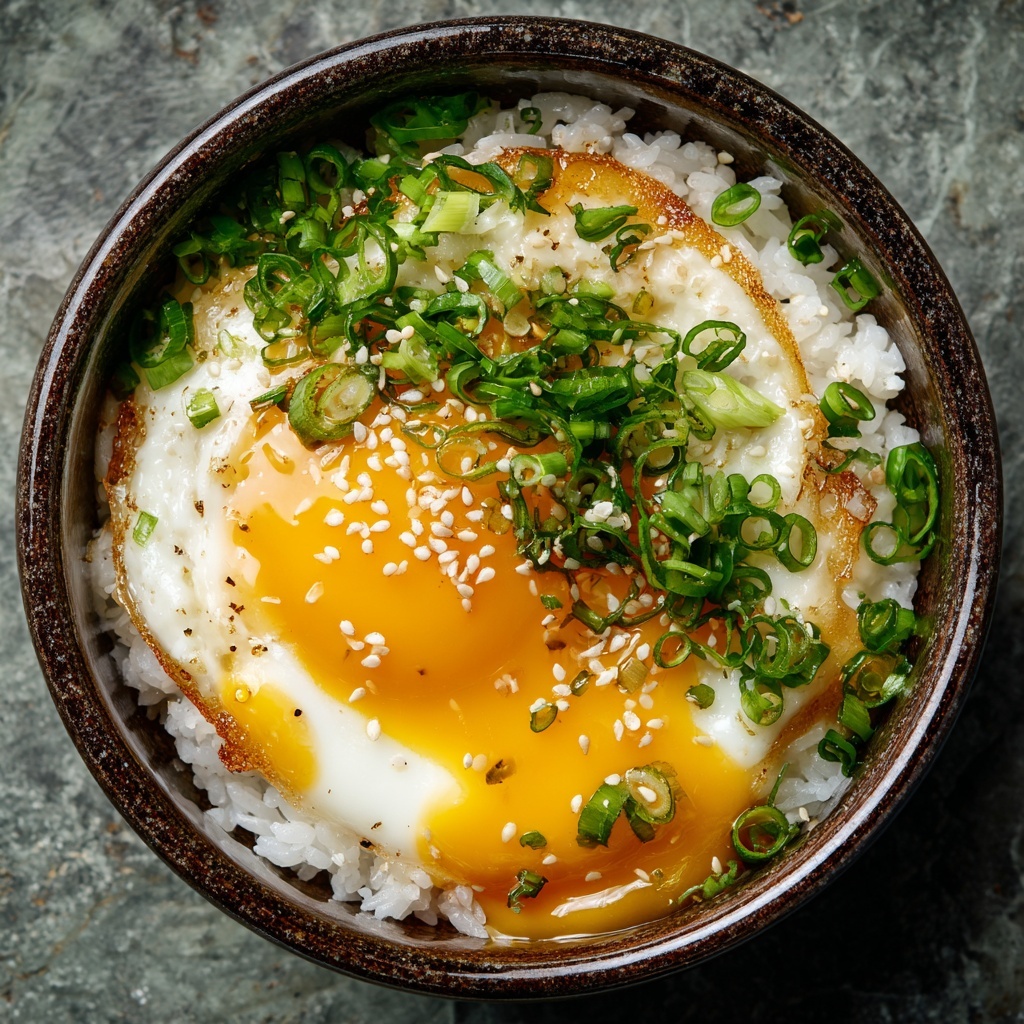
If you’re searching for a comforting, silky, and surprisingly simple dish to brighten your meal times, look no further than this Korean Steamed Eggs Recipe. This dish captures the essence of Korean home cooking with its delicate texture and subtle umami-rich flavors. It’s a perfect way to enjoy eggs in a whole new form that feels both nourishing and satisfying. Whether you’re new to Korean cuisine or a longtime fan, this steamed egg custard will quickly become one of your go-to recipes for a quick, wholesome meal.
Ingredients You’ll Need
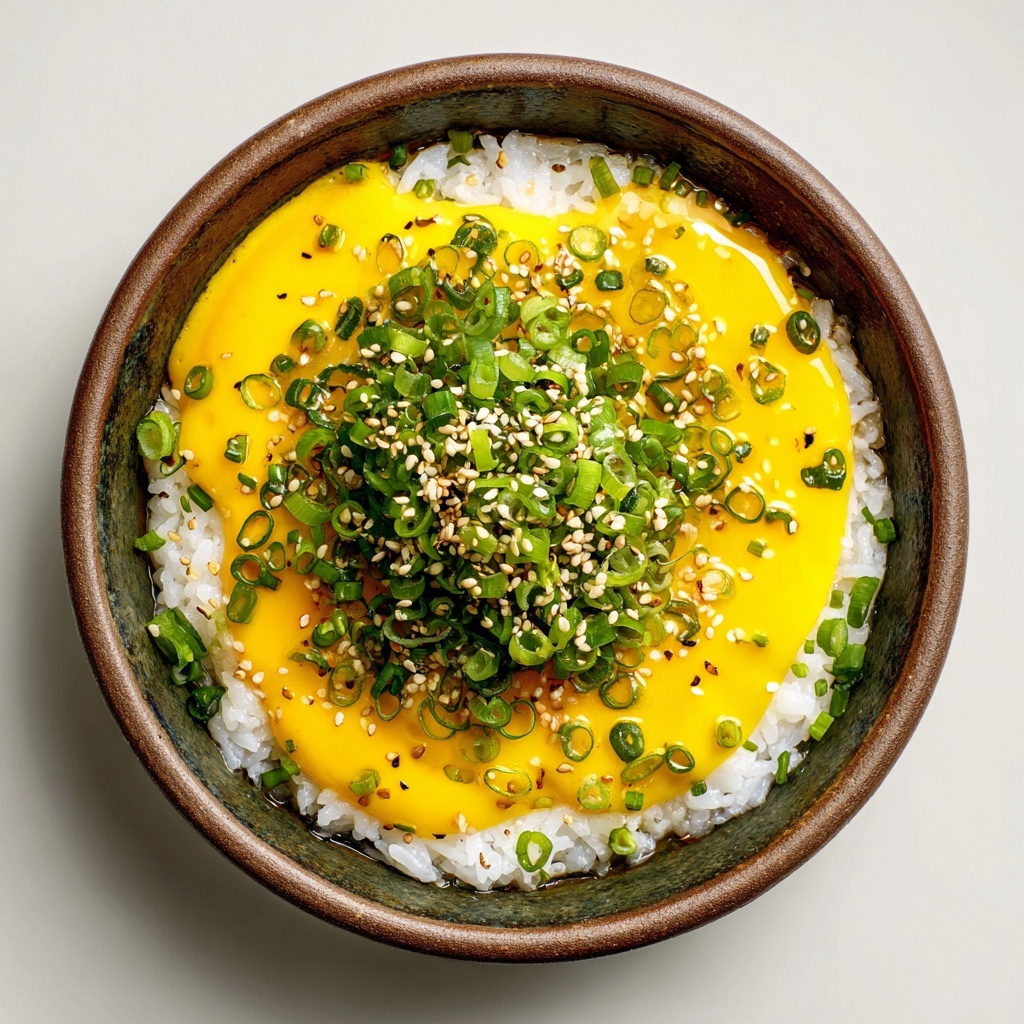
The beauty of this Korean Steamed Eggs Recipe lies in how straightforward the ingredients are yet how much they contribute to the final dish’s creamy texture and flavor. Each element plays a pivotal role, from the eggs providing a silky base, to the broth adding depth and moisture, to the sesame oil bringing a gentle nutty aroma.
- 4 large eggs: Fresh eggs ensure a smooth custard and rich taste.
- 1 cup water or broth (chicken or vegetable): Using broth adds an extra layer of savory flavor over water.
- 1 teaspoon soy sauce: Adds umami and saltiness that enhances the eggs perfectly.
- 1 teaspoon sesame oil: Brings a warm, nutty fragrance that defines Korean cooking.
- 1 green onion, finely chopped: For a fresh, crisp bite and a splash of green color.
- Salt to taste: Balances and rounds out all the flavors.
- Optional add-ins: Diced vegetables like carrots or zucchini, seafood such as shrimp or crab, or even kimchi for added texture and flavor complexity.
How to Make Korean Steamed Eggs Recipe
Step 1: Beat the Eggs Smoothly
Start by cracking the eggs into a mixing bowl and whisking them until completely smooth and uniform. This step is crucial because it sets the foundation for silky, evenly textured steamed eggs without any graininess.
Step 2: Mix in Water or Broth
Slowly whisk in the water or broth to the beaten eggs, ensuring the mixture is perfectly combined. The liquid ratio here controls how soft and delicate the final custard will be—too little and it gets dense, too much and it can break apart.
Step 3: Add Seasonings
Stir in the soy sauce, sesame oil, and salt to taste. These seasonings enhance the natural richness of the eggs and infuse the dish with authentic Korean flavors without overpowering the gentle texture.
Step 4: Strain for Smoothness
For an ultra-silky finish, pour the egg mixture through a fine mesh sieve into another bowl. This step removes any lumps or chalaza bits, guaranteeing the smooth custard that makes this recipe stand out.
Step 5: Prepare to Steam
Bring a pot of water to a gentle simmer and place a steamer rack or heatproof bowl over it to create an indirect cooking environment. The gentle steam cooks the eggs evenly without toughening them.
Step 6: Steam the Egg Mixture
Pour the strained egg mixture into a heatproof bowl, cover it, and steam for 15 to 20 minutes. You’ll want the eggs set but still slightly jiggly in the center—a sign of perfect doneness that feels like delicate silk melting in your mouth.
Step 7: Garnish and Final Touches
Sprinkle the steamed eggs with finely chopped green onions for a fresh bite and a pop of color. You can also drizzle a little extra sesame oil or scatter sesame seeds for added aroma and texture.
Step 8: Serve Warm
Serve your Korean Steamed Eggs Recipe warm alongside steamed rice and other Korean side dishes. This dish shines brightest when it’s fresh and warm, making every spoonful a little moment of cozy happiness.
How to Serve Korean Steamed Eggs Recipe
Garnishes
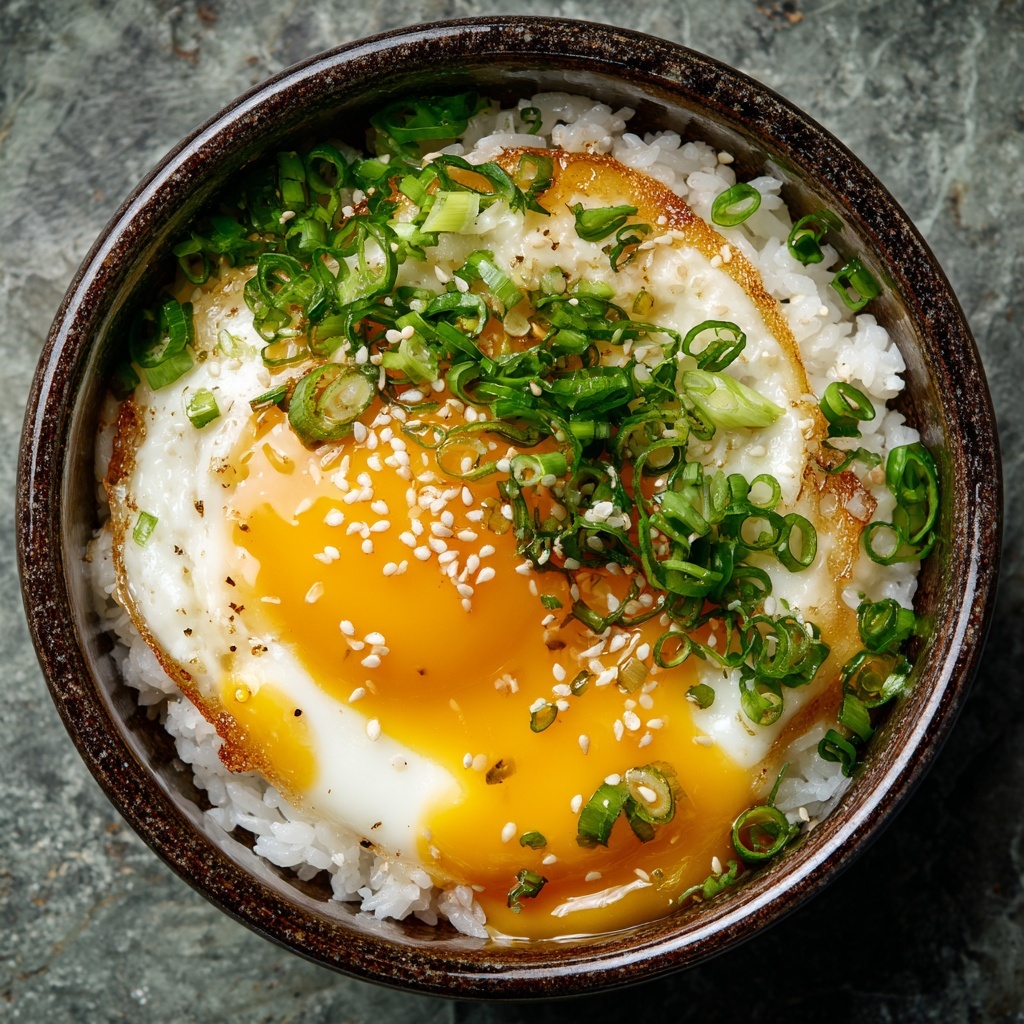
Fresh green onions are the classic finishing touch, adding brightness and crunch. For an even more indulgent presentation, try toasted sesame seeds or a light drizzle of chili oil. These simple garnishes elevate the humble steamed eggs into a feast for both eyes and taste buds.
Side Dishes
This Korean Steamed Eggs Recipe pairs beautifully with a bowl of steaming rice and an array of banchan (Korean side dishes) like kimchi, pickled vegetables, or spicy cucumber salad. The gentle flavor of the eggs balances bold, spicy, or fermented sides perfectly.
Creative Ways to Present
Try serving the steamed eggs in individual ramekins for a pretty, personalized portion. For a supper party, top the eggs with sautéed seafood or a sprinkle of crispy fried shallots to add flavor contrast and elegance.
Make Ahead and Storage
Storing Leftovers
If you have leftovers, store them in an airtight container in the refrigerator. The texture will firm up a bit but retains its creamy charm. Consume within 2 days for the best taste and safety.
Freezing
It’s best to avoid freezing steamed eggs, as the delicate texture does not freeze and thaw well. The custard can become watery or grainy after thawing, losing its appealing silky quality.
Reheating
To reheat, gently steam the leftover eggs again or microwave on a low power setting in short bursts. This helps maintain moisture and prevents overcooking, preserving that lovely soft consistency you fell in love with.
FAQs
Can I use broth instead of water in the Korean Steamed Eggs Recipe?
Absolutely! Using chicken or vegetable broth instead of water adds a deeper, savory flavor to the dish which complements the eggs beautifully. It’s a great way to add more umami without changing the texture.
What’s the secret to making really smooth steamed eggs?
The key is in straining the egg mixture before steaming and cooking it over gentle steam instead of boiling water. These steps ensure you get a silky, custard-like texture free of lumps or bubbles.
Can I add vegetables or seafood to the steamed eggs?
Yes, adding finely diced vegetables like zucchini or carrots, or small pieces of seafood like shrimp or crab, can make the dish more substantial and flavorful. Just be sure to keep the pieces small and cook them slightly before adding if needed.
How long should I steam the eggs?
Typically, 15 to 20 minutes of steaming over gentle heat is perfect. The eggs should be set at the edges but still slightly jiggly in the center when done.
Is this Korean Steamed Eggs Recipe gluten-free?
It can be, if you use gluten-free soy sauce and ensure any broth or add-ins are also gluten-free. Otherwise, traditional soy sauce contains wheat, so choose alternatives accordingly.
Final Thoughts
You really can’t go wrong with this Korean Steamed Eggs Recipe. It’s comfort food elevated to something special by its incredible texture and subtle, harmonious flavors. Whip it up on a busy day or when you want something soothing and satisfying. Honestly, once you try it, it’ll become a cherished staple in your kitchen too. Give it a go, and enjoy every velvety bite!
Print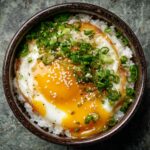
Korean Steamed Eggs Recipe
- Prep Time: 5 minutes
- Cook Time: 15-20 minutes
- Total Time: 20-25 minutes
- Yield: 2 servings
- Category: Side Dish
- Method: Steaming
- Cuisine: Korean
Description
Korean Steamed Eggs, also known as Gyeran Jjim, is a silky, fluffy, and delicate steamed egg dish popular in Korean cuisine. Made with beaten eggs mixed with water or broth and seasoned simply with soy sauce, sesame oil, and salt, it is steamed until just set, resulting in a smooth and jiggly texture. This comforting side dish is quick to prepare and pairs wonderfully with rice and Korean meals.
Ingredients
Main Ingredients
- 4 large eggs
- 1 cup water or broth (chicken or vegetable)
- 1 teaspoon soy sauce
- 1 teaspoon sesame oil
- Salt to taste
Garnish
- 1 green onion, finely chopped
- Optional: extra sesame oil or sesame seeds for drizzling or sprinkling
Optional Add-ins
- Diced vegetables (carrots, zucchini)
- Seafood (shrimp, crab)
- Kimchi
Instructions
- Beat the eggs: In a mixing bowl, beat the 4 eggs until smooth and fully combined to create a uniform mixture.
- Mix in liquid: Gradually whisk in 1 cup of water or broth to achieve a consistent, slightly diluted egg mixture which helps in creating a light texture.
- Season: Stir in 1 teaspoon soy sauce, 1 teaspoon sesame oil, and salt to taste to add a subtle umami and nutty flavor.
- Strain the mixture: For the smoothest texture, pass the egg mixture through a fine mesh sieve to remove any lumps or chalaza strands.
- Prepare steaming setup: Bring a pot of water to a gentle simmer and place a steamer rack or a heatproof bowl inside the pot to hold the egg mixture bowl.
- Steam the eggs: Pour the strained egg mixture into a heatproof bowl, cover with a lid or foil, and steam for 15-20 minutes until the eggs are set but still slightly jiggly in the center, indicating perfect doneness.
- Garnish: Remove from heat and garnish with finely chopped green onions. Optionally, drizzle extra sesame oil or sprinkle sesame seeds for added flavor.
- Serve: Serve warm alongside steamed rice and Korean side dishes for a comforting and nutritious meal.
Notes
- For a richer flavor, use chicken broth instead of water.
- Be careful not to overcook; the eggs should remain jiggly to retain their silky texture.
- You can customize the dish by adding diced vegetables, seafood, or kimchi before steaming.
- Using a fine mesh sieve ensures a velvety smooth texture by removing lumps.
- Covering the bowl during steaming prevents water droplets from falling onto the eggs and keeps the surface smooth.