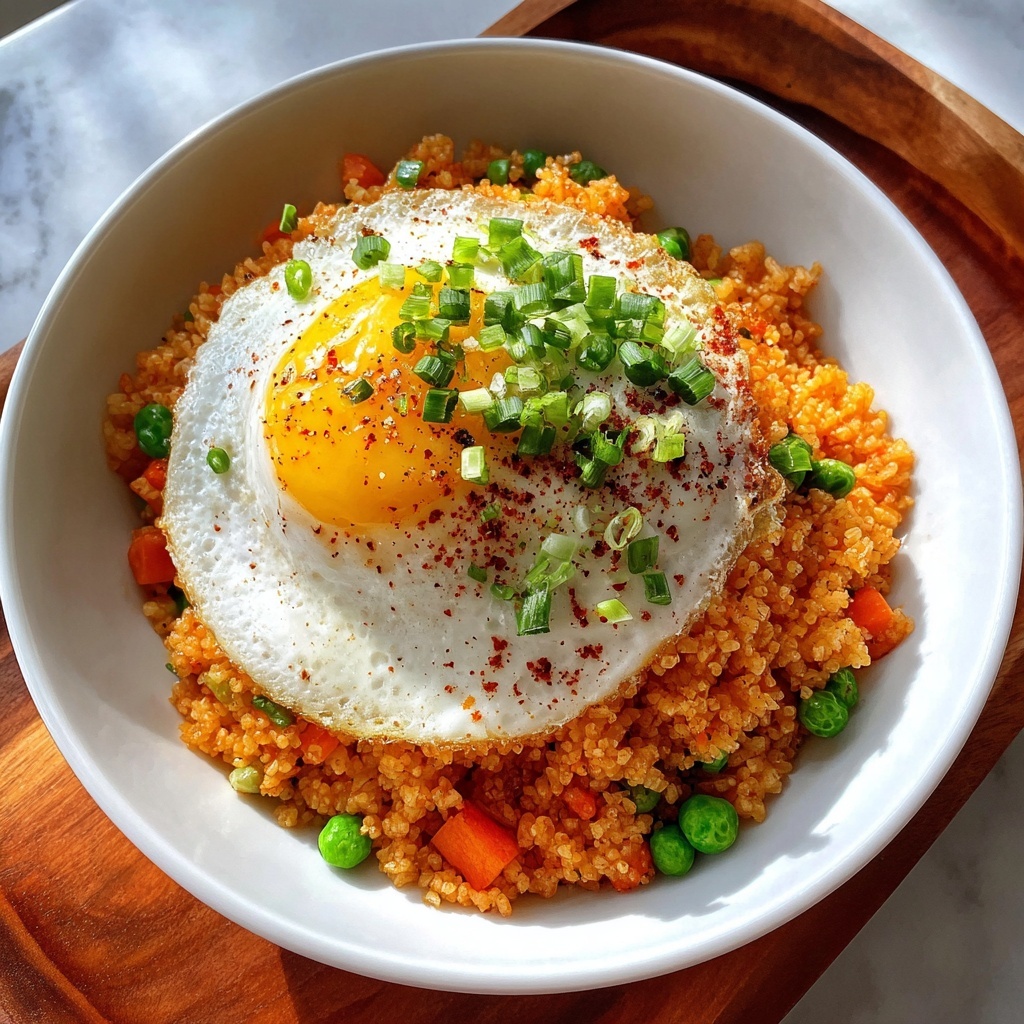
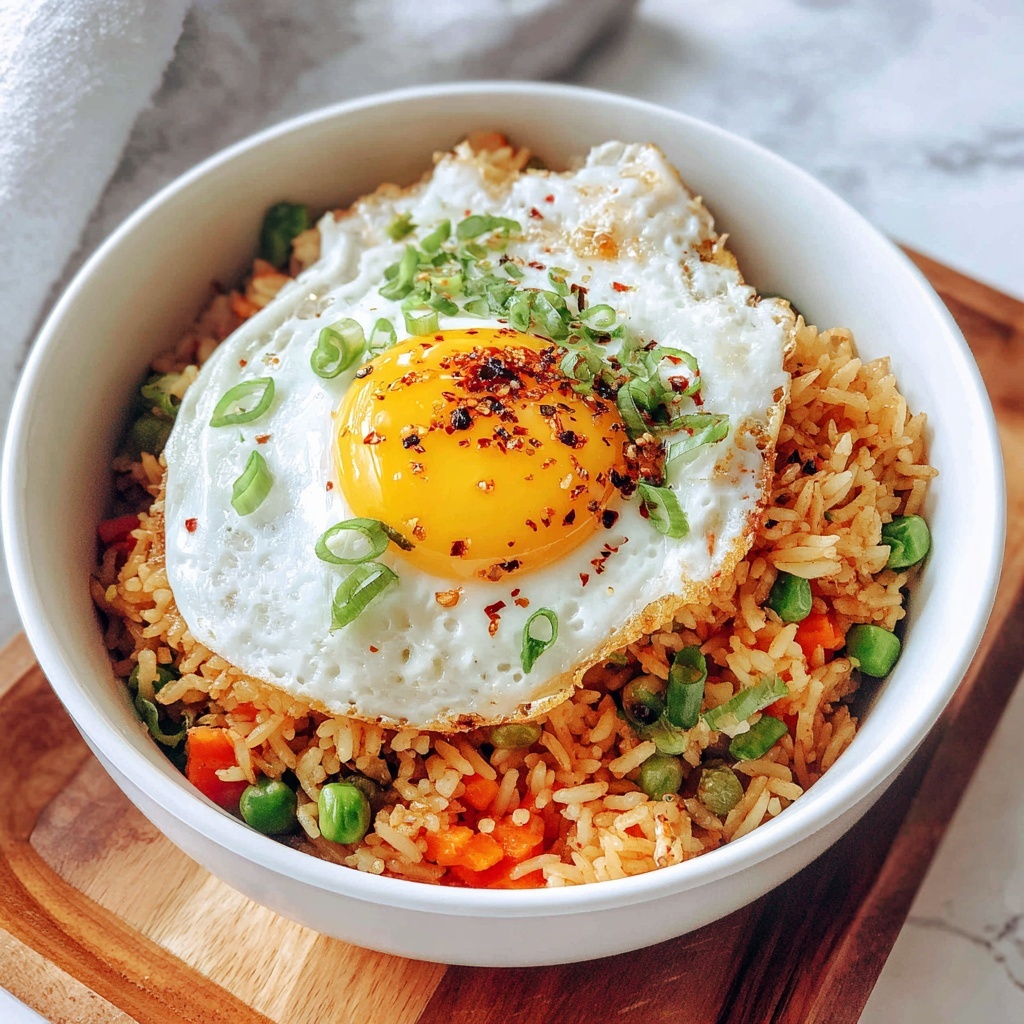
If you are craving a vibrant, deeply flavorful dish that is as satisfying as it is simple, this Gochujang Fried Rice Recipe is about to become your new favorite. Combining the spicy, sweet, and smoky notes of gochujang with the comforting texture of crispy rice, this dish bursts with layers of taste that will have you reaching for seconds in no time. Its balance of fresh vegetables, perfectly fried eggs, and that signature Korean chili paste makes it a meal that’s both approachable and unforgettable. Whether you’re making it as a quick weeknight dinner or sharing it with friends, this recipe promises a colorful, hearty experience full of warmth and zest.
Ingredients You’ll Need
This recipe uses simple, everyday ingredients that each play an essential role in creating the rich, complex flavors and textures that define this Gochujang Fried Rice Recipe. From the umami-packed gochujang sauce to the crispy fried rice and fresh veggies, every component works together like a well-rehearsed orchestra.
- 3 tablespoons gochujang: The star ingredient that gives this dish its spicy-sweet Korean flavor.
- 2 tablespoons low-sodium soy sauce: Adds depth and saltiness without overpowering the gochujang.
- 1 teaspoon sesame oil: Brings a subtle nutty aroma to the sauce mix.
- 3 tablespoons vegetable oil, divided: For frying the aromatics and rice to a perfect crisp.
- ½ small onion, diced: Provides sweetness and texture after being sautéed.
- 2 cloves garlic, minced: Aromatic punch that balances the heat.
- 3 cups cooked long-grain rice (day-old, chilled): Key to achieving that ideal fried rice texture without clumping.
- 1 cup frozen peas and carrots: Adds color, crunch, and a touch of sweetness.
- 2 tablespoons unsalted butter: Enhances richness and helps caramelize the vegetables.
- 4 large eggs: Fried eggs are the perfect creamy topping for each bowl.
- 1 tablespoon sesame seeds (optional): For a toasty crunch and visual appeal.
- 2 green onions, sliced (optional): Freshness and bright color for garnish.
How to Make Gochujang Fried Rice Recipe
Step 1: Make the Sauce
Start by combining gochujang, soy sauce, and sesame oil in a small bowl. Whisk these together until you get a smooth, glossy sauce that will coat the rice beautifully with that perfect balance of heat and savory depth. Setting this aside lets the flavors meld while you prepare the other components.
Step 2: Sauté Aromatics
Heat one tablespoon of vegetable oil in a large skillet or wok over medium-high heat. Add diced onion and minced garlic, cooking them until they soften and release their wonderful fragrance. This step is crucial because those sizzling aromatics form the flavor base that elevates the entire dish. Once tender, remove them from the pan temporarily.
Step 3: Fry the Rice
Add a bit more vegetable oil to the pan and fry the chilled, cooked rice in batches. This ensures each grain crisps up nicely without overcrowding the pan. The goal here is a light golden crunch with each bite — think of it as the texture anchor that contrasts beautifully with the silky sauce and tender vegetables. Remove the fried rice and set it aside along with the onions and garlic.
Step 4: Stir-fry the Vegetables
In the same skillet, toss in your frozen peas and carrots along with the butter and optional sesame seeds. Cook them just until they are warmed through and beginning to caramelize. The butter enriches the vegetables, enhancing the overall flavor with a gentle sweetness and buttery finish.
Step 5: Combine and Finish
Return the cooked onions, garlic, and the fried rice to your skillet. Pour the prepared gochujang sauce over everything and toss vigorously to coat every grain and veggie with that gorgeous sauce. Cook it all together until heated through and the sauce slightly caramelizes, which amps up the umami factor even more.
Step 6: Fry the Eggs
In the same skillet, add a little splash of oil and fry the eggs sunny-side-up or to your preferred doneness. These eggs are the crowning glory, adding creamy richness and a luscious texture that complements the spicy fried rice perfectly.
How to Serve Gochujang Fried Rice Recipe
Garnishes
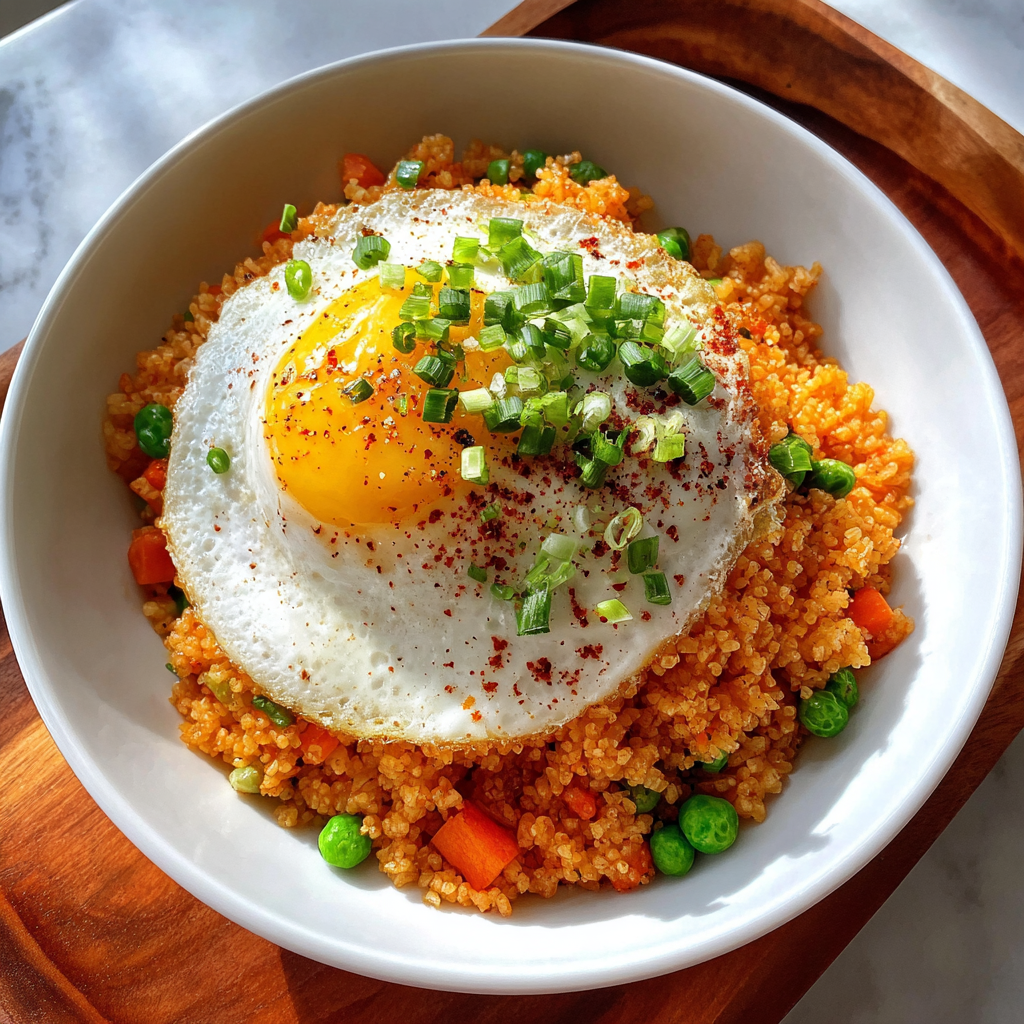
Sprinkle sliced green onions and toasted sesame seeds over the top to add fresh herbal notes and a bit of crunch, enhancing both the flavor and the presentation. These simple garnishes elevate the dish from satisfying to unforgettable.
Side Dishes
This fried rice pairs beautifully with light, crisp side dishes such as a cucumber salad or kimchi. The cool, acidic crunch of these sides cuts through the richness of the fried rice and complements the spicy flavor profile perfectly.
Creative Ways to Present
For an eye-catching presentation, mound the fried rice into neat bowls, top each serving with a fried egg, and arrange garnishes artfully. Consider serving it family-style on a large platter surrounded by small bowls of pickles or steamed vegetables to invite communal sharing and add variety.
Make Ahead and Storage
Storing Leftovers
Store any leftover Gochujang Fried Rice Recipe in an airtight container in the refrigerator. It will keep well for up to 3 days while preserving the flavors and texture, making it perfect for meal prepping or just satisfying next-day cravings.
Freezing
This dish freezes well, too. Simply cool the fried rice completely before transferring to a freezer-safe container or bag. It can be stored for up to a month and thawed overnight in the fridge before reheating to enjoy that signature spicy goodness anytime.
Reheating
When reheating, use a skillet over medium heat with a little oil to bring back the rice’s crispiness. Microwaving works in a pinch but won’t retain the texture as well. Add a sprinkle of water and cover to steam the rice evenly without drying it out.
FAQs
Can I use fresh rice instead of day-old rice?
Freshly cooked rice is too moist for this recipe and tends to clump rather than fry up crispy. It’s best to use day-old, chilled rice which helps achieve that perfect fried rice texture.
How spicy is the Gochujang Fried Rice Recipe?
The spice level is moderate and can be easily adjusted by adding more or less gochujang. It offers a pleasant heat with a hint of sweetness, making it accessible to most palates.
Is there a vegetarian version of this recipe?
Absolutely! Simply omit the eggs and use vegetable oil or plant-based butter. You can also add tofu or extra veggies to make it just as hearty and delicious.
Can I substitute gochujang with another sauce?
While gochujang is unique in flavor, you could try a mixture of chili paste and a bit of miso or hoisin sauce. Keep in mind that the distinctive Korean chili flavor will be missed.
What sides go best with this fried rice?
Crisp salads, pickled vegetables, or simple kimchi are perfect to complement the rich, spicy flavors and add balance to the meal.
Final Thoughts
This Gochujang Fried Rice Recipe is a true kitchen gem that delivers bold, complex flavors with minimal effort. The magic of that spicy-sweet chili paste combined with crispy rice, fresh veggies, and creamy fried eggs makes every bite a celebration. I promise once you try making it at home, it will quickly earn a permanent spot on your go-to dinner rotation. So gather your ingredients, fire up the stove, and enjoy something wonderfully comforting and totally crave-worthy tonight!
Print
Gochujang Fried Rice Recipe
- Prep Time: 10 minutes
- Cook Time: 20 minutes
- Total Time: 30 minutes
- Yield: 4 servings
- Category: Main Course
- Method: Stovetop
- Cuisine: Korean
Description
This Gochujang Fried Rice recipe is a flavorful and spicy Korean-inspired dish that combines savory gochujang sauce with crispy fried rice, sautéed vegetables, and a perfectly fried egg on top. It’s quick to make, packed with umami, and perfect for a satisfying weeknight meal.
Ingredients
Sauce
- 3 tablespoons gochujang (Korean chili paste), more to taste
- 2 tablespoons low-sodium soy sauce
- 1 teaspoon sesame oil
Fried Rice
- 3 tablespoons vegetable oil, divided
- ½ small onion, diced
- 2 cloves garlic, minced
- 3 cups cooked long-grain rice (day-old, chilled rice recommended)
- 1 cup frozen peas and carrots
- 2 tablespoons unsalted butter
- 1 tablespoon sesame seeds (optional)
Toppings
- 4 large eggs
- 2 green onions, sliced (optional)
Instructions
- Make Sauce: In a small bowl, whisk together gochujang, low-sodium soy sauce, and sesame oil until smooth. Set the sauce aside to be added later.
- Sauté Aromatics: Heat 1 tablespoon of vegetable oil in a wok or large skillet over medium-high heat. Add the diced onion and minced garlic, cooking until they are softened and fragrant, about 2–3 minutes. Remove the mixture from the pan and set aside.
- Fry Rice: Add another splash of vegetable oil to the pan. Working in batches if needed, add the chilled cooked rice and fry until the grains are crispy and slightly browned, stirring occasionally. Remove the crispy rice and set aside with the onions and garlic.
- Stir-fry Vegetables: In the same skillet, add the frozen peas and carrots along with the butter and sesame seeds if using. Cook, stirring regularly, until the vegetables are heated through and well coated with butter, about 3–4 minutes.
- Combine and Finish: Return the cooked onions, garlic, and fried rice to the pan with the vegetables. Pour the prepared gochujang sauce over everything and toss thoroughly to coat the mixture evenly. Continue to cook for 2–3 minutes until the rice is heated through and the sauce slightly caramelizes on the rice.
- Fry Eggs: In the same skillet, add a splash of vegetable oil if necessary and fry the eggs sunny-side up or to your liking until the whites are set but yolks remain runny, or cooked through if preferred.
- Serve: Divide the gochujang fried rice evenly among four bowls. Top each serving with a fried egg and garnish with sliced green onions if desired. Serve immediately for best taste.
Notes
- Using day-old, chilled rice is essential for fried rice to ensure it fries up nicely and doesn’t get mushy.
- Adjust the amount of gochujang according to your preferred spice level.
- You can substitute frozen mixed vegetables with fresh ones if preferred, just adjust cooking time accordingly.
- For added protein, consider adding cooked chicken, shrimp, or tofu alongside the vegetables.
- Sesame seeds and green onions are optional but add a nice texture and flavor contrast.
- To make this recipe vegan, omit the eggs and use plant-based butter.