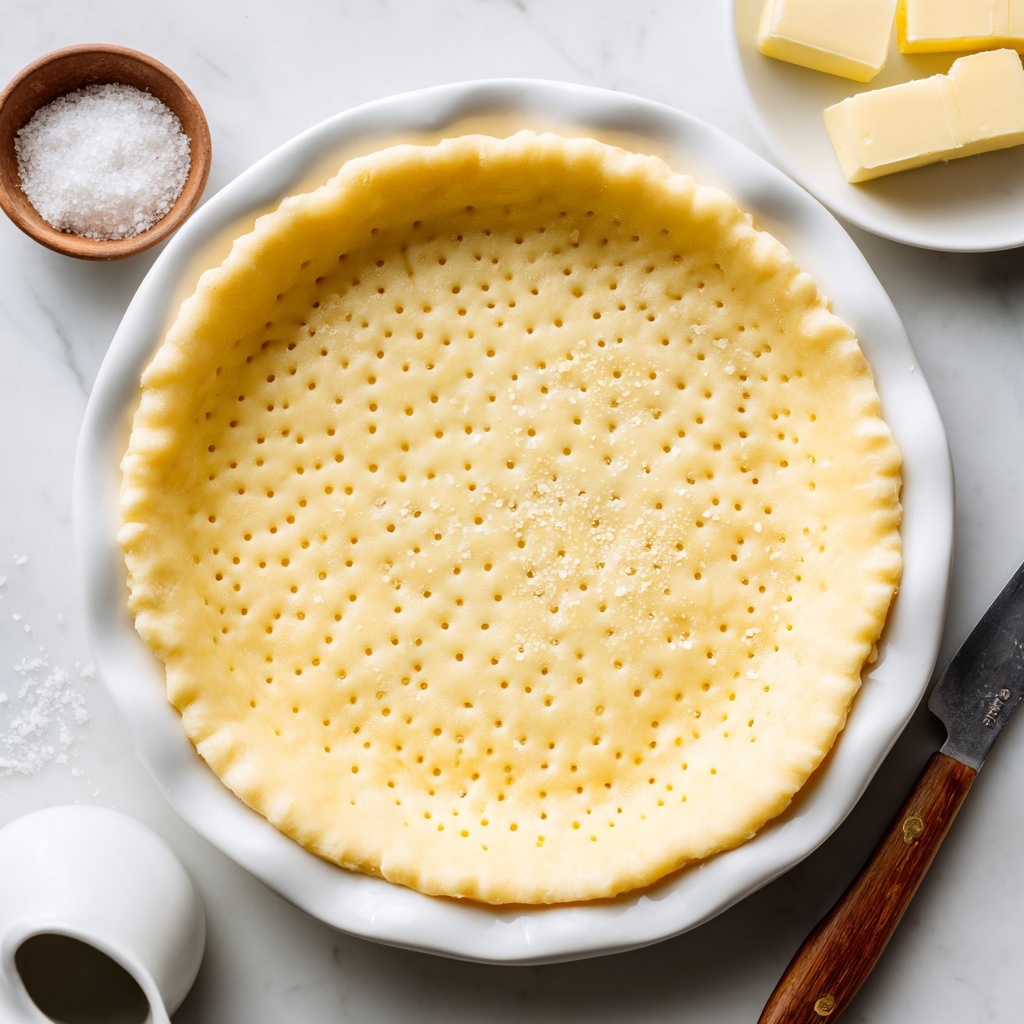
If you’ve ever dreamed of crafting the perfect crust for your pies, this Flaky Vegan Pie Crust Recipe will absolutely become your new best friend in the kitchen. Imagine biting into a delicately crispy, buttery, and flaky crust that holds its shape beautifully, yet melts in your mouth—all without a single animal product. This recipe combines simple, wholesome ingredients and a few clever techniques to deliver a crust that’s tender, flaky, and just begging to be filled with your favorite sweet or savory fillings. Whether you’re making a classic apple pie, a rich pumpkin tart, or a savory pot pie, this crust will elevate your baking to something truly special.
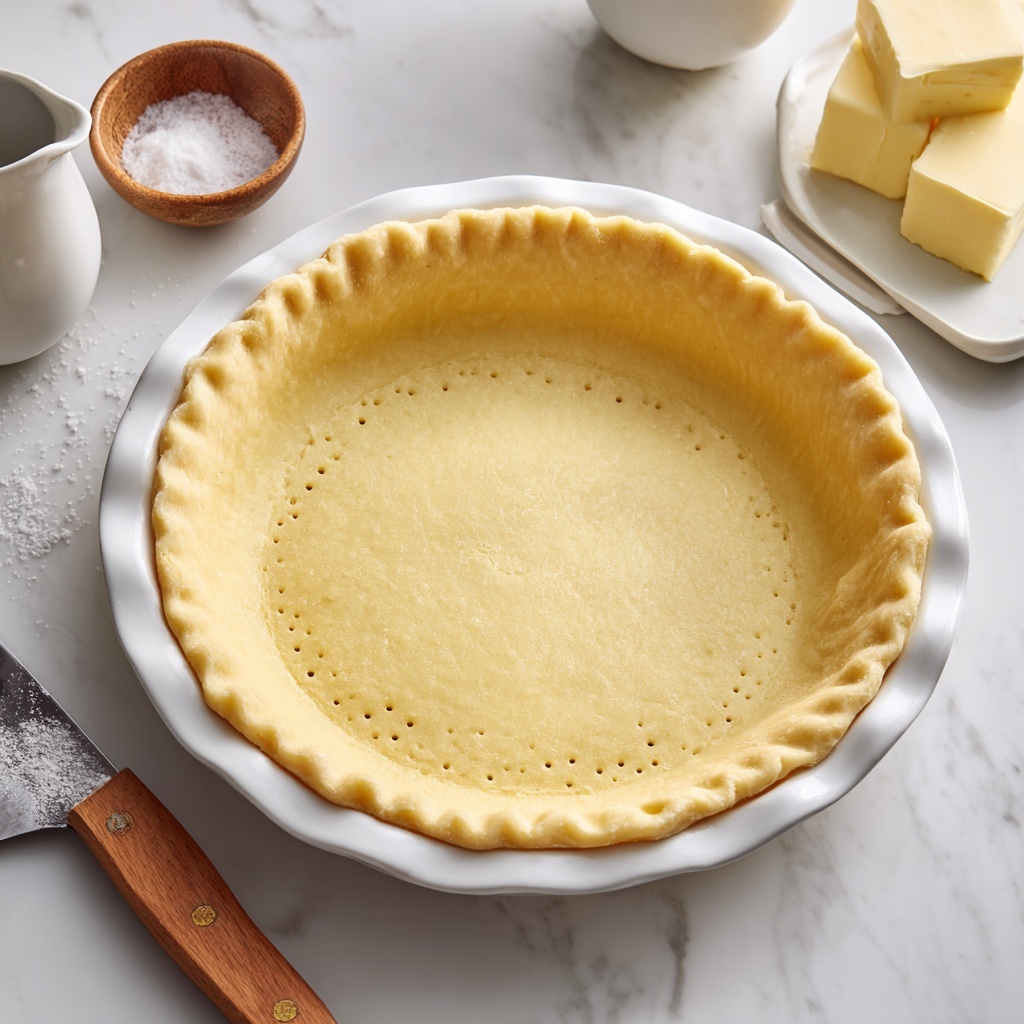
Ingredients You’ll Need
Creating a pie crust that’s flaky, tender, and reliable starts with straightforward ingredients that each play a key role. From the vegan butter that forms flaky pockets, to the apple cider vinegar that adds a slight tang and tenderness, every ingredient here is essential for success.
- 80 ml non-dairy milk (chilled): This forms the liquid base and helps bind the dough without making it soggy.
- 1 teaspoon apple cider vinegar: Adds acidity to tenderize the dough and mimic traditional buttermilk.
- 320 g plain flour: The backbone of the dough—choose all-purpose or plain flour for perfect texture.
- 235 g vegan block butter (chilled, cut into cubes): Cold vegan butter is the secret to those beautiful flaky layers.
- 1 teaspoon sea salt: Enhances flavor and balances the sweetness in any filling.
- 2 tablespoons vegan butter (for glazing): Adds a glossy, golden finish when brushed on top before baking.
- 1 tablespoon granulated sugar (optional): Sprinkled on top for a lightly sweet, sparkling crust.
How to Make Flaky Vegan Pie Crust Recipe
Step 1: Make the Vegan Buttermilk
Start by combining your chilled non-dairy milk with the apple cider vinegar in a small bowl, then pop it into the freezer for about 10-15 minutes until it’s icy cold. This creates a vegan buttermilk that brings tanginess and tenderness to the crust, helping it mimic the texture of a traditional pie crust perfectly.
Step 2: Prepare Your Pie Tin
Lightly grease a 9-inch pie tin with vegan butter or a little oil, then dust it with flour, knocking off any excess. This step ensures your crust won’t stick to the tin and will come out cleanly after baking. For extra ease, you can also line the base with parchment paper.
Step 3: Combine Dry Ingredients and Fat
If you’re using a food processor, blitz the flour and sea salt until mixed. Add the chilled vegan butter cubes and pulse just a few times until you see chunky crumbs forming. The key is to keep those chunks visible for gorgeous flakiness. For a hands-on approach, mix the flour and salt in a bowl, then rub the vegan butter in with your fingertips until the mixture resembles coarse crumbs—no smooth dough here, lumps of butter are your friends!
Step 4: Incorporate the Vegan Buttermilk
Slowly pour the icy vegan buttermilk into your mixture while pulsing (or gently mixing by hand) until the dough just comes together. Be careful not to overwork the dough at this stage, as that can make the crust tough. If it feels too wet, sprinkle a little extra flour, but keep it light.
Step 5: Chill the Dough
Turn the dough onto a floured surface and shape it into one or two discs depending on whether you want a single or double crust. Wrap tightly in plastic wrap and place the dough in the fridge for at least one hour. Chilling is critical because it allows the butter to firm up again, which helps create that sought-after flaky texture when baked.
Step 6: Roll and Fold for Flakiness
Once chilled, let the dough sit for 5 minutes to soften slightly, then roll it out to about 1/8 inch thickness on a floured surface. Fold the dough over itself and roll out again about four times—this folding builds layers within the dough that puff and flake during baking. Then roll to a final thin sheet, slightly larger than your pie tin circumference.
Step 7: Fit the Dough and Trim Edges
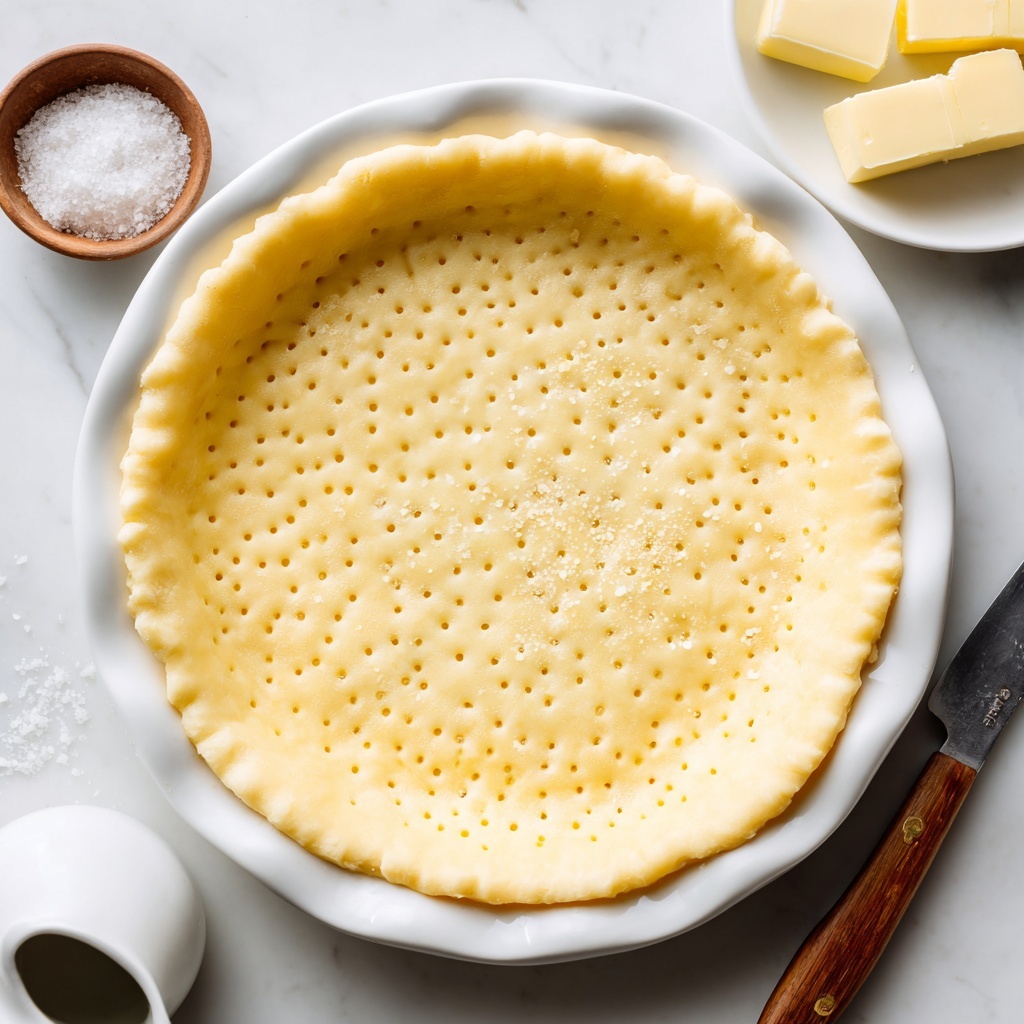
Carefully lift the dough with your rolling pin and place it into your prepared pie tin. Gently press to fit the base and sides without stretching. Trim any excess dough with scissors, then crimp the edges by pressing down with a fork for a pretty, classic finish. Don’t forget to pierce holes into the base with a fork to avoid bubbles forming while baking.
Step 8: Blind Bake or Top with Filling
If your pie filling requires baking, roll out the second dough disc and place it over your filling. Brush the top with melted vegan butter and sprinkle with sugar for that beautiful sheen. For fillings like custards or cream pies, blind bake the crust with parchment and pie weights for about 20 minutes, remove weights and bake another 15-20 minutes until golden. Let it cool completely before filling.
How to Serve Flaky Vegan Pie Crust Recipe
Garnishes
A simple brush of melted vegan butter before baking gives the crust a golden glow. For extra sparkle and subtle crunch, add a sprinkle of granulated sugar on top. A dusting of cinnamon or nutmeg can complement sweet pie fillings beautifully, too.
Side Dishes
When serving your pie featuring this flaky vegan pie crust, consider fresh fruit salads, vegan whipped cream, or a scoop of dairy-free ice cream for sweet pies. For savory pies, pair with steamed greens or a crisp side salad to balance richness.
Creative Ways to Present
Turn your pie into an eye-catching centerpiece by crimping fluted edges or cutting decorative shapes from extra dough to arrange on top. You can also experiment with lattice work, weaving thin strips of dough over fruit fillings for a classic look that shows off those flaky layers.
Make Ahead and Storage
Storing Leftovers
If you have leftover pie crust dough, wrap it tightly in plastic and keep it in the fridge for up to three days. This allows you to bake fresh crusts whenever the craving hits without remaking dough from scratch. Baked crusts should be stored in an airtight container and enjoyed within 2 days for best texture.
Freezing
This Flaky Vegan Pie Crust Recipe freezes wonderfully! Simply wrap the dough discs in plastic wrap and place them in a freezer bag for up to three months. When ready to use, thaw overnight in the fridge, then proceed with rolling and baking as usual.
Reheating
To revive stored or leftover baked crusts, warm in a preheated oven at 180°C (350°F) for about 10 minutes until crisp again. Avoid microwaving as it can make the crust soggy instead of flaky and crisp.
FAQs
Can I make this pie crust without a food processor?
Absolutely! While a food processor speeds up the mixing and keeps the butter cold, rubbing the butter in by hand using your fingertips works just as well and gives you lovely control over the dough’s texture. Just be careful not to overwork it.
What type of vegan butter is best for this recipe?
Choose a solid vegan block butter that’s designed for baking—not a spread. Chilled vegan butters made from coconut oil, shea, or blends with oils provide the best flakiness. Avoid buttery spreads as they are too soft and contain too much water.
Can I use this crust for sweet and savory pies?
Yes! This recipe is wonderfully versatile and neutral in flavor, so it pairs beautifully with both sweet fillings like apples or cherries and savory fillings such as mushroom pot pie or vegetable quiches.
Why does the recipe include apple cider vinegar?
The apple cider vinegar interacts with the non-dairy milk to create a vegan buttermilk substitute that helps tenderize the dough and activate the flour’s gluten structure in a way that results in a flakier, more tender crust.
How thick should I roll out the dough?
Rolling the dough to about 1/8 inch thickness is ideal—it’s thin enough to get crisp and flaky but thick enough to hold the filling and not break apart. Folding and rolling multiple times helps create layers that puff beautifully during baking.
Final Thoughts
This Flaky Vegan Pie Crust Recipe is a total game changer for homemade pies that impress both vegans and non-vegans alike. The combination of simple ingredients and careful technique results in a crust with that perfect tender flake every time. So grab your mixing bowl, chill that vegan butter, and dive into pie making with confidence—you’re about to bake some seriously delicious memories!
Print
Flaky Vegan Pie Crust Recipe
- Prep Time: 20 minutes
- Cook Time: 40 minutes
- Total Time: 2 hours
- Yield: 10 servings (enough for one 9-inch double pie crust or two 9-inch single crusts)
- Category: Baking
- Method: Baking
- Cuisine: Vegan
- Diet: Vegan
Description
This flaky vegan pie crust recipe offers a perfect buttery and tender base for all your pie baking needs. Made without any animal products, it uses chilled vegan butter and a touch of apple cider vinegar mixed with non-dairy milk to replicate the classic buttermilk effect, resulting in a light, flaky crust that holds up well as a single bottom crust or a double crust for filled pies. The crust can be prepared with a food processor or by hand, chilled, rolled, and either blind-baked or filled and baked, making it versatile for sweet or savory pies.
Ingredients
Vegan Pie Crust Ingredients
- 80 ml non-dairy milk (chilled)
- 1 teaspoon apple cider vinegar
- 320 g plain flour
- 235 g vegan block butter (chilled, cut into cubes)
- 1 teaspoon sea salt
- 2 tablespoons vegan butter (for glazing)
- 1 tablespoon granulated sugar (optional, for sprinkling)
Instructions
- Make the vegan buttermilk: Combine the chilled non-dairy milk and apple cider vinegar in a bowl. Place in the freezer for 10-15 minutes until icy cold to mimic the tanginess and acidity of traditional buttermilk.
- Prepare the pie tin: Lightly grease a 9-inch pie tin with oil or vegan butter and dust it with flour, then knock off the excess flour so the surface is lightly coated. Optionally, add a round of parchment paper to the base for easier removal.
- Make the dough using a food processor: Add flour and sea salt to the food processor and pulse until evenly mixed. Add chilled vegan butter cubes and pulse until the mixture is roughly combined but still has some pea-sized lumps of butter.
- Add cold vegan buttermilk: Slowly pour the icy vegan buttermilk into the food processor while pulsing for about 5-10 seconds only, to just bring the dough together without overmixing.
- Shape and chill the dough: Turn out the dough onto a lightly floured surface and shape gently into a large disc. Wrap tightly in plastic wrap and refrigerate for at least 1 hour to chill and firm up.
- Alternative hand method: Mix flour and salt in a bowl. Rub cold butter cubes into the flour using fingertips until texture resembles coarse crumbs. Gradually add vegan buttermilk in two parts, gently bringing dough together by hand without overworking. Form dough into two discs, wrap, and chill at least 1 hour.
- Preheat oven: Set oven to fan 190°C (374°F) or conventional 210°C (410°F). Place an aluminum tray or baking sheet inside to preheat.
- Roll out dough: Remove chilled dough from fridge and let stand 5 minutes at room temperature. Divide if making top and bottom crusts. Roll out dough on lightly floured surface to 1/8 inch thickness. Fold and roll the dough 3-4 times, dusting with flour as needed for flaky layers. Final roll should be slightly larger than your pie tin.
- Fit dough into pie tin: Gently lift rolled dough with your rolling pin and place into the pie tin. Press into base and sides without stretching. Trim the excess with scissors and crimp edges with a fork. Pierce holes in the base to prevent bubbling.
- For a topped pie: Roll out second dough disc, add your pie filling, and top with second crust. Trim and crimp edges. Melt vegan butter and brush over top crust, sprinkle with sugar. Bake as your pie recipe directs.
- Blind-bake crust: Cut parchment paper circle larger than pie tin. Scrunch and place on dough, fill with pie weights or dried beans/lentils. Bake on preheated tray for 20 minutes. Remove weights and paper, bake another 15-20 minutes until golden. Cool fully before removing from tin.
- Storage: Freeze uncooked dough in airtight container for up to 3 months; thaw overnight in fridge before use. Refrigerate wrapped dough up to 3 days prior to baking.
Notes
- This recipe yields enough dough for a 9-inch double pie crust; reduce to ¾ for a single bottom crust if preferred.
- Do not overmix dough to keep it flaky; lumps of butter are beneficial.
- Use chilled ingredients to maintain butter’s integrity and optimal flakiness.
- Blind-baking is recommended for pies with fillings that do not require baking.
- Rolling and folding dough multiple times creates layers for a flakier finished crust.
- Optional sugar glaze adds a subtle sweetness and shine to top crusts for sweet pies.
- Pie weights can be replaced with dried beans, rice, or lentils if necessary.
- Rest and chill times are important to hydrate flour and firm dough, improving texture.