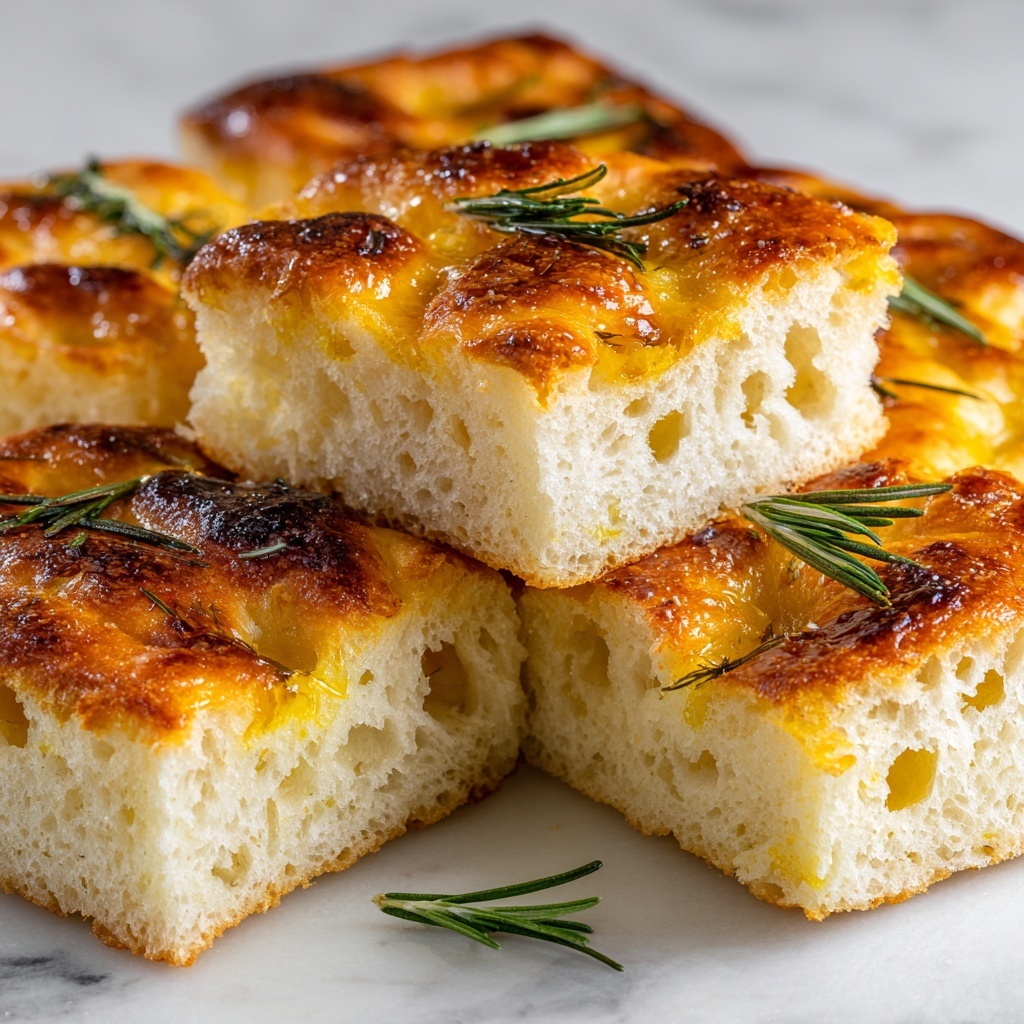
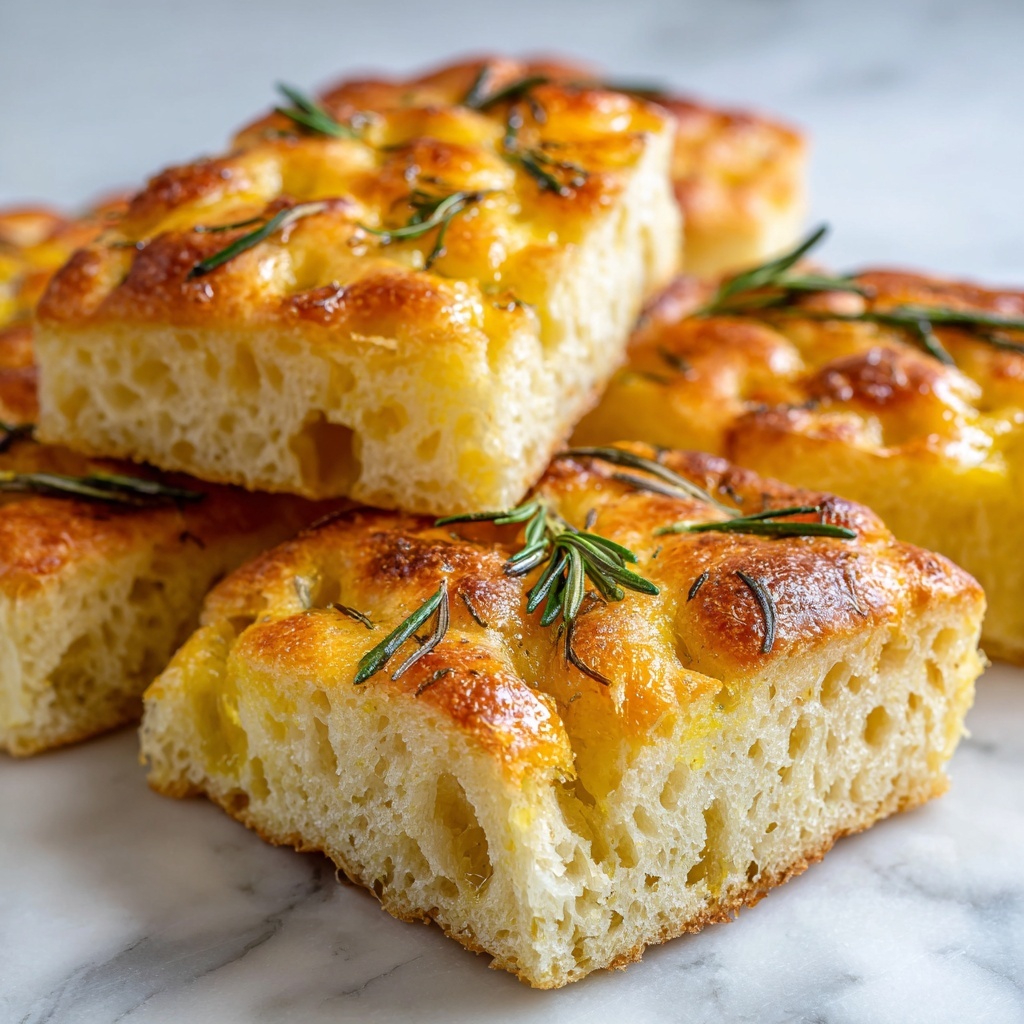
If you are searching for a bread that is both irresistibly aromatic and wonderfully textured, this Rosemary Focaccia Recipe is your new best friend. Imagine biting into a golden, olive oil-drizzled crust that gives way to a soft, airy interior infused with fresh rosemary’s fragrant notes. It’s the perfect blend of rustic charm and elegant simplicity, making it a fabulous addition to any meal or a stand-alone snack that everyone will rave about. This versatile bread is a staple worth mastering, and I’m excited to share every detail so you can bring this delightful focaccia right to your kitchen table.
Ingredients You’ll Need
Ingredients You’ll Need
Every great dish begins with the right ingredients, and this Rosemary Focaccia Recipe is no different. Simple pantry staples come together with fresh rosemary and olive oil to create a masterpiece that’s bursting with flavor and inviting textures.
- 2 1/4 teaspoons active dry yeast: This is the magic that will make your focaccia rise beautifully and develop a light crumb.
- 1 1/4 cups warm water (about 110°F/45°C): Warm water activates the yeast, setting the stage for that perfect dough.
- 2 teaspoons sugar: Just enough sweetness to help the yeast work its wonders.
- 3 1/2 cups all-purpose flour: The foundation of the dough, providing structure and chewiness.
- 1/4 cup olive oil (plus extra for drizzling): This adds moisture, flavor, and that iconic rich finish to the bread.
- 2 teaspoons salt: Enhances all the flavors and balances the sweetness perfectly.
- 2 tablespoons fresh rosemary, chopped (or 1 tablespoon dried rosemary): Key to that bright, piney aroma and taste everyone loves in focaccia.
- Coarse sea salt, for sprinkling: Adds a delightful crunch and bursts of salty goodness with every bite.
How to Make Rosemary Focaccia Recipe
Step 1: Activate the Yeast
Begin by combining warm water, sugar, and yeast in a small bowl. Let this sit for 5 to 10 minutes until the mixture becomes foamy and bubbly—this means your yeast is alive and kicking, which is essential for that fluffy texture.
Step 2: Mix the Dough
In a large bowl, stir together the flour, olive oil, salt, and your activated yeast mixture. This is the moment when everything begins to form a coherent dough. Transfer it to a floured surface and knead for 8 to 10 minutes until it’s smooth and elastic. If you prefer, a stand mixer with a dough hook does this job beautifully and saves your hands some work.
Step 3: First Rise
Place your freshly kneaded dough into a greased bowl, cover it with a clean towel or plastic wrap, and let it rest in a warm spot for 1 to 1.5 hours. You’ll know it’s ready when it has doubled in size—this is where that light, airy texture really starts to develop.
Step 4: Shape the Focaccia
After the rise, punch down the dough gently to release excess air. Transfer it to a greased 9×13-inch baking pan or a lined baking sheet and stretch it out to fit the shape. Press your fingertips into the dough to create those signature dimples that will hold olive oil and toppings in all the right spots.
Step 5: Add Toppings
Drizzle olive oil generously over the surface of the dough, making sure to fill the dimples with some oil as well. Sprinkle the fresh rosemary evenly on top and finish with a scattering of coarse sea salt for that perfect contrast in texture and flavor.
Step 6: Second Rise and Bake
Cover your focaccia and let it rise again for 20 to 30 minutes while you preheat the oven to 400°F (200°C). Then bake it for 20 to 25 minutes until the crust turns a gorgeous golden brown and the edges become deliciously crispy. The aroma that fills your kitchen during this time is simply divine.
Step 7: Serve
Once baked, let the focaccia cool just slightly before slicing. Serve it warm to fully enjoy its golden crust, tender crumb, and fragrant rosemary notes.
How to Serve Rosemary Focaccia Recipe
Garnishes
To elevate your Rosemary Focaccia Recipe even further, consider topping it with a sprinkle of grated Parmesan or some thinly sliced olives right before baking. A drizzle of balsamic glaze over warm slices can add a sweet-tangy contrast that’s simply irresistible.
Side Dishes
This focaccia pairs wonderfully with soups and stews, particularly hearty tomato-based or vegetable-packed varieties. It also complements fresh salads, antipasto platters, or a simple cheese board for a charming appetizer or casual meal.
Creative Ways to Present
For a unique touch, cut the focaccia into small squares and serve as finger food, perfect for parties or gatherings. You can also slice it horizontally and use it as sandwich bread, layering with fresh mozzarella, roasted vegetables, or your favorite deli meats for a mouthwatering bite.
Make Ahead and Storage
Storing Leftovers
If you find yourself with extra rosemary focaccia (unlikely, but it happens!), wrap any leftovers tightly in plastic wrap or place them in an airtight container. Store at room temperature for up to 2 days to maintain freshness and softness.
Freezing
You can freeze focaccia either in whole rounds or cut into portions. Wrap generously in plastic wrap and then foil to prevent freezer burn. It will keep well for up to 3 months, making it perfect for baking ahead and enjoying later.
Reheating
To bring your focaccia back to life, reheat slices in a preheated oven at 350°F (175°C) for about 10 minutes or until warmed through and crisp again. This helps restore the crust’s crunch and revives the bread’s tender crumb wonderfully.
FAQs
Can I use dried rosemary instead of fresh for this Rosemary Focaccia Recipe?
Absolutely! While fresh rosemary offers a brighter flavor and aroma, dried rosemary works well too—just use about half the amount to avoid overpowering the bread.
How long does it take to make this Rosemary Focaccia Recipe from start to finish?
Though the hands-on time is fairly short, you should allow for 1 hour and 51 minutes total, including rising and baking times, to get that perfect fluffy texture and golden finish.
Can I make this focaccia dough in a stand mixer?
Yes, a stand mixer with a dough hook can make the kneading process easier and quicker. Mix and knead on medium speed for about 8 minutes until the dough is smooth and elastic.
What type of olive oil should I use?
Choose a good quality extra virgin olive oil for drizzling and mixing; it adds fruity notes and richness that elevate the flavor of the focaccia beautifully.
Is Rosemary Focaccia Recipe suitable for sandwiches?
Definitely! Its tender interior and flavorful crust make it ideal for sandwich bread, pairing well with a variety of fillings from fresh veggies to savory meats and cheeses.
Final Thoughts
This Rosemary Focaccia Recipe is truly a delightful culinary treasure that brings both simplicity and elegance to your baking repertoire. Whether you’re sharing it with loved ones, serving it alongside a meal, or enjoying a quiet moment with warm bread and olive oil, it never fails to satisfy. So go ahead and give it a try—you’ll find it becomes a quick favorite in your kitchen and heart.
Print
Rosemary Focaccia Recipe
- Prep Time: 15 minutes
- Cook Time: 25 minutes
- Total Time: 2 hours 10 minutes
- Yield: 8 servings
- Category: Bread
- Method: Baking
- Cuisine: Italian
Description
This classic Rosemary Focaccia recipe yields a fragrant, golden, and crispy Italian bread perfect for serving as an appetizer, side, or snack. Infused with fresh rosemary and olive oil, this focaccia offers a delightful combination of fluffy interior and crisp edges, ideal for pairing with dips or toppings.
Ingredients
Yeast Mixture
- 2 1/4 teaspoons active dry yeast (1 packet)
- 1 1/4 cups warm water (about 110°F / 45°C)
- 2 teaspoons sugar
Dough
- 3 1/2 cups all-purpose flour
- 1/4 cup olive oil (plus extra for drizzling)
- 2 teaspoons salt
- 2 tablespoons fresh rosemary, chopped (or 1 tablespoon dried rosemary)
- Coarse sea salt, for sprinkling
Instructions
- Activate the Yeast: In a small bowl, combine the warm water, sugar, and active dry yeast. Allow this mixture to sit and activate for 5-10 minutes until it becomes foamy, indicating that the yeast is alive and ready to use.
- Mix the Dough: In a large bowl, combine the all-purpose flour, 1/4 cup olive oil, salt, and the activated yeast mixture. Stir the ingredients together until a dough forms. Transfer to a floured surface and knead for 8-10 minutes until the dough is smooth and elastic. Alternatively, use a stand mixer fitted with the dough hook attachment to knead the dough thoroughly.
- First Rise: Place the kneaded dough into a greased bowl, cover it with a clean cloth or plastic wrap, and let it rise in a warm spot for 1-1.5 hours until it doubles in size.
- Shape the Focaccia: Once doubled, punch down the dough to release air bubbles. Transfer it into a greased 9×13-inch baking pan or a lined baking sheet. Stretch and press the dough evenly to fit the pan. Using your fingertips, create characteristic dimples all over the surface of the dough.
- Add Toppings: Drizzle extra olive oil generously over the dough, making sure to fill the dimples with oil. Sprinkle the chopped fresh rosemary and coarse sea salt evenly on top to enhance flavor and texture.
- Second Rise: Cover the dough again and allow it to rise for another 20-30 minutes while preheating your oven to 400°F (200°C).
- Bake: Bake the focaccia in the preheated oven for 20-25 minutes or until the bread turns golden brown and the edges become crispy.
- Serve: Remove the focaccia from the oven and let it cool slightly. Slice into servings and serve warm for best flavor and texture enjoyment.
Notes
- Use fresh rosemary for the best flavor, but dried rosemary is a convenient substitute.
- Let the dough rise in a warm, draft-free spot to ensure proper fermentation and a fluffy texture.
- Pressing dimples into the dough helps olive oil to pool and enhances the focaccia’s characteristic texture and taste.
- Serve warm focaccia as a side with soups, salads, or dips like olive oil and balsamic vinegar.
- Leftover focaccia can be stored in an airtight container for up to 2 days and reheated before serving.